Reading Eggs - Learn to Read: Reading activity, age and access
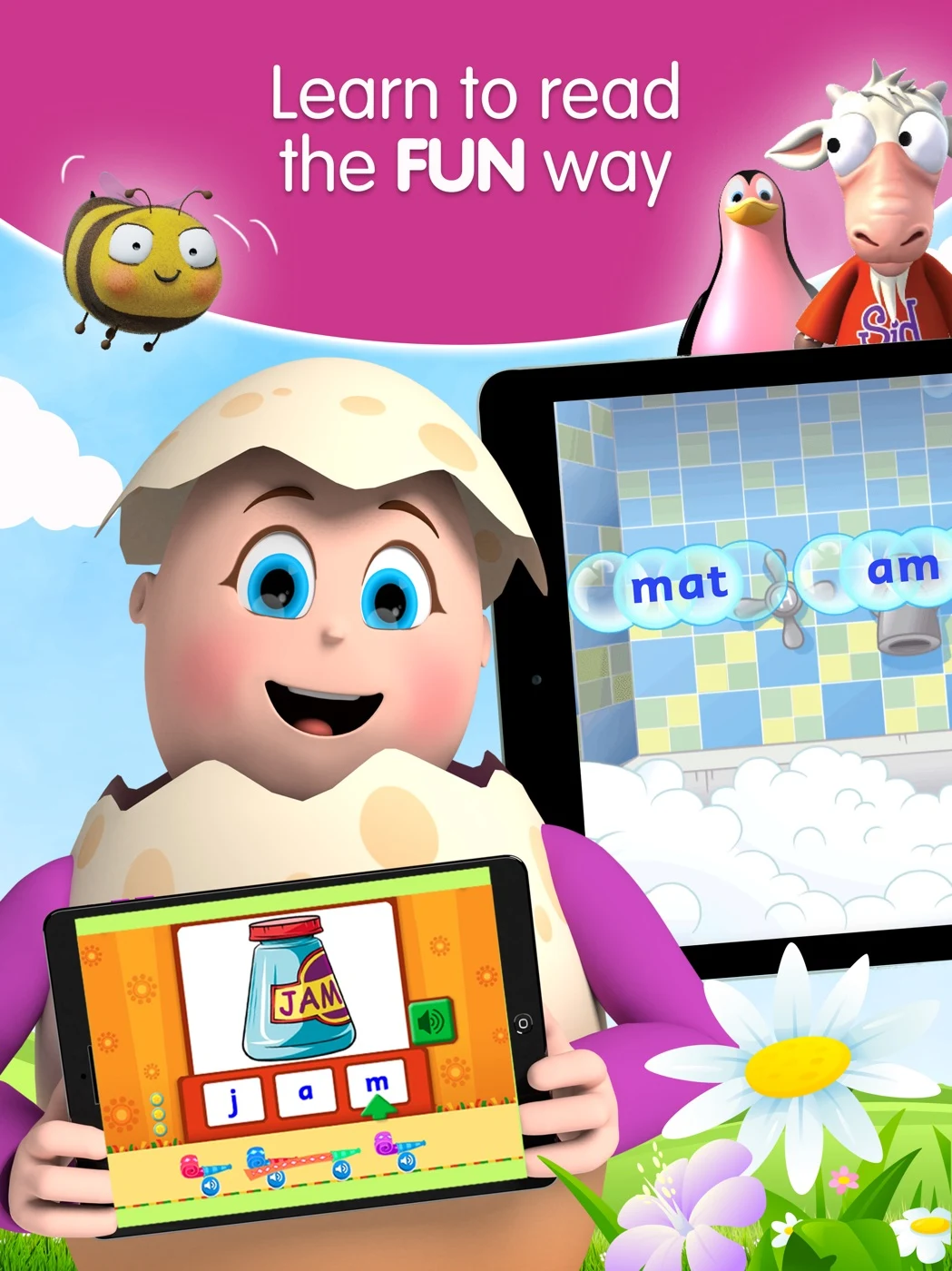
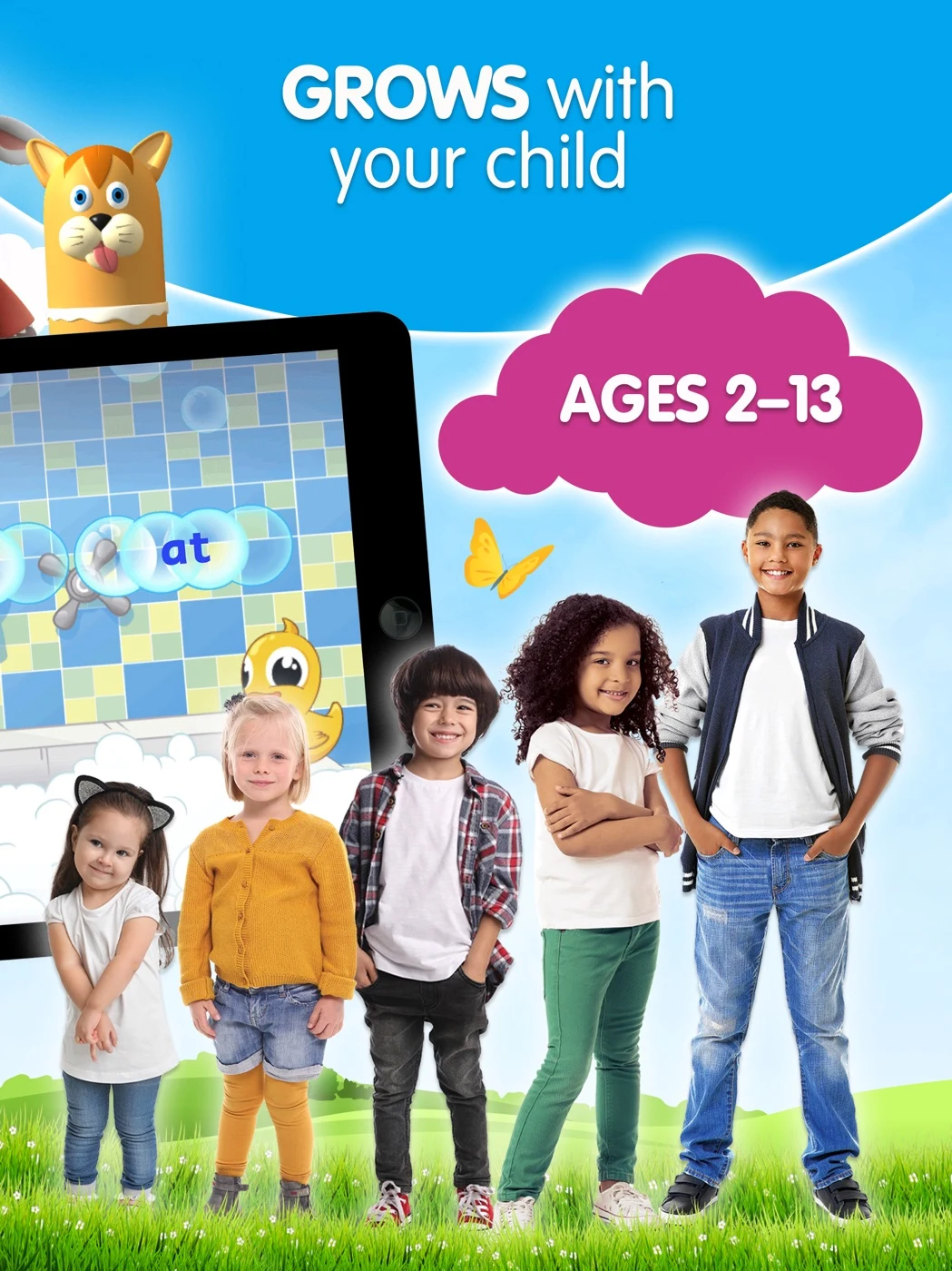
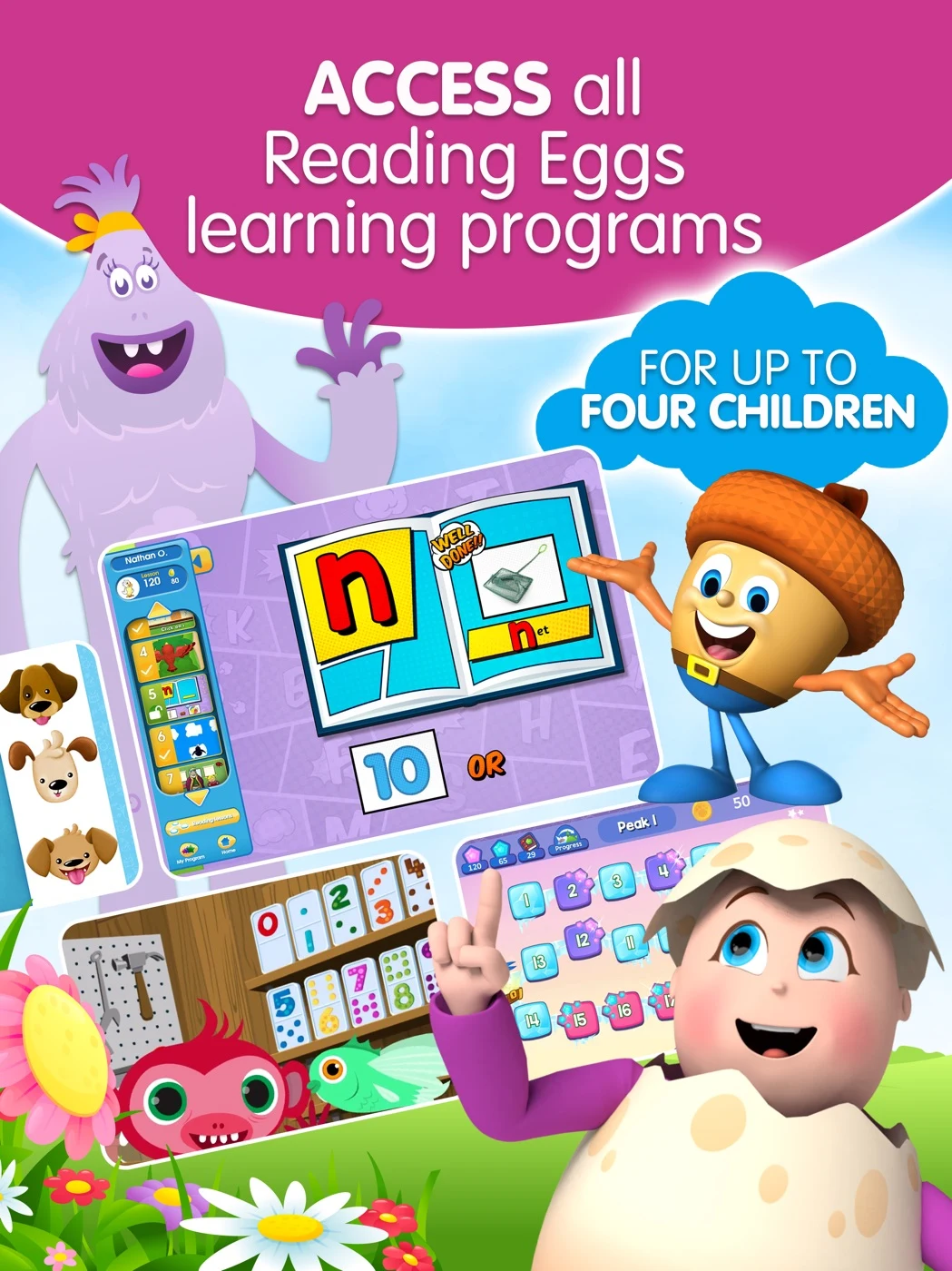
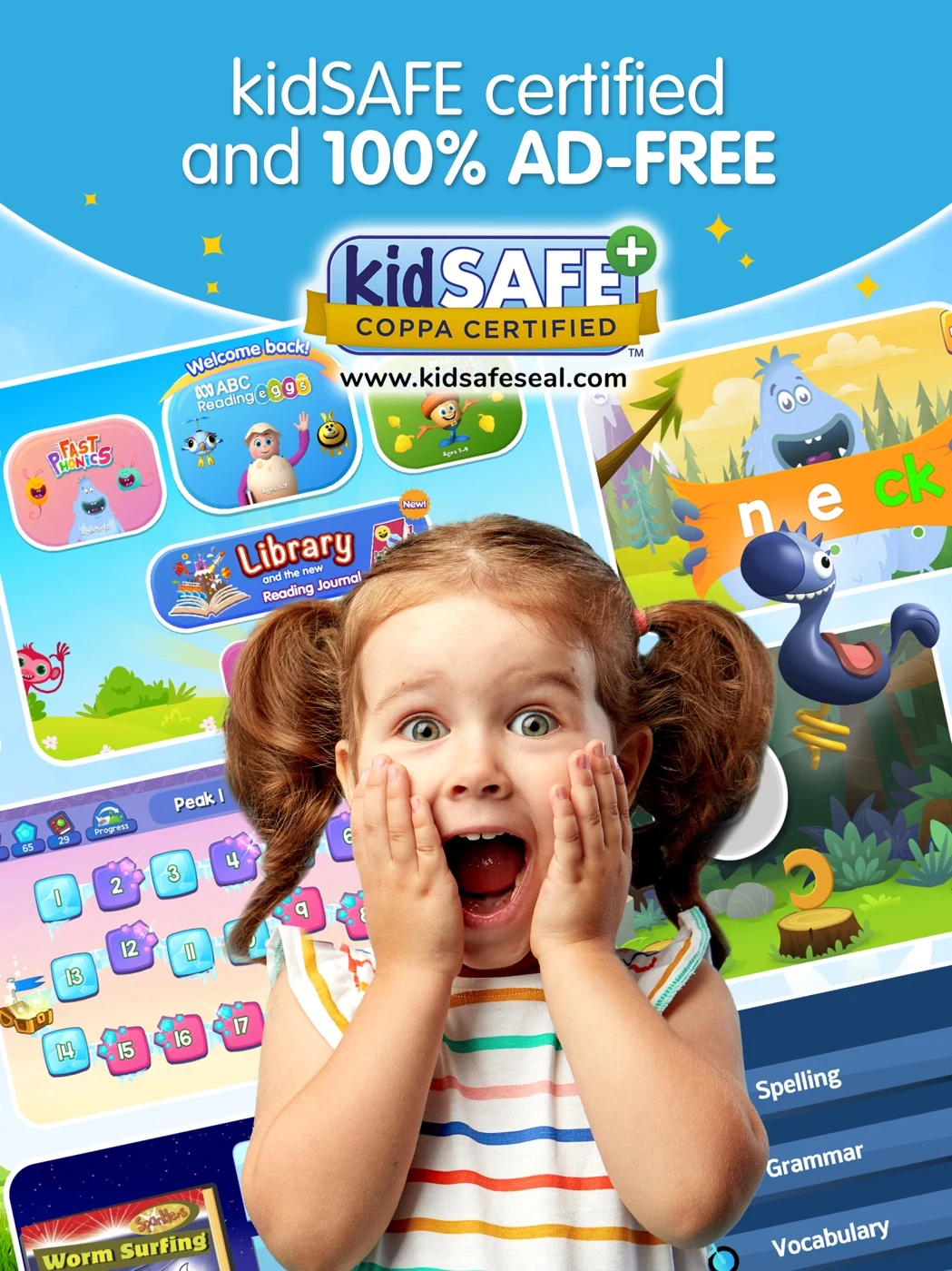
Check the starting skill and exact access conditions; verify all publisher claims.
Open the original App Store listing ↗ · US iPad capture, 27 October 2026.
CATEGORY PLAYBOOK / CHILDREN’S READING
Help parents find the right reading activity, understand their role and choose with confidence.
EXPLORE THE PLAYBOOK ↓
READING APP ASO
The adult searching and the child reading are often two different people. A parent may search “phonics games,” “books for beginning readers” or “read aloud stories,” but each phrase describes a different need. A strong ASO listing explains the actual activity, the reader’s starting point and whether a grownup needs to help. A phonics game, a narrated book library and a guided lesson are not interchangeable.
Show the real reading task before making a broad education promise. If a child taps letters to hear their sounds, show that interaction. If the product is a book library, show the reading experience and explain what can be read, heard or downloaded. Use the early-learning app guide for related pre-reading and number activities, and the children’s app guide for broader age, privacy and pricing considerations.
ASO tip: ask adults to describe what they see after looking at the first screenshot for five seconds. ASO warning: a picture of a book or a smiling child does not prove a measurable improvement in reading.
Keyword ideas · Eight apps · Real screenshots · Apple Ads
Start with ASO strategy and keyword research.
READING APP ASO
These are hypotheses to investigate, not measured demographic segments. Children develop differently; age alone does not establish reading ability. Research the adult’s goal and the child’s current experience with appropriate consent and safeguards.
Swipe horizontally to compare all columns →
| Adult’s likely need | Question before installing | Evidence to show if the app supports it |
|---|---|---|
| Introducing letter sounds | Can the child hear and identify a sound? | A real sound-to-letter activity and actual audio controls. |
| Practicing blending | How does the app join sounds into a word? | An actual letter sequence and the learner’s action. |
| Looking for first stories | Are books suitable for a beginning reader? | An example page and a truthful description of reading level. |
| Seeking narration | Are books read aloud, and can text be followed? | A real read-aloud screen and supported audio behavior. |
| Supporting shared reading | Does the adult need to guide every lesson? | A typical adult prompt and child response, if available. |
| Seeking independent reading | Can the child navigate without an adult reading instructions? | Actual spoken guidance or accessible navigation, if supported. |
| Finding high-interest books | Can we find topics the child enjoys? | Real filters and representative available titles. |
| Comparing schools or homeschooling | Is the content appropriate for the intended setting? | Actual educator tools and account requirements. |
| Looking for bilingual content | Which languages and narration are available? | Named supported text and audio languages. |
| Comparing access | What is included, paid, or usable offline? | Current plan boundaries and precise offline conditions. |
Use these questions to segment intent, not to stereotype families or claim that specific age bands always behave alike. See search intent and localization quality assurance.
Apply search intent and value proposition research without stereotyping.
READING APP ASO
These 100 ideas are unmeasured candidates, not demand estimates or rankings. Check current results, feature support and local availability before prioritizing.
Use keyword research, relevance checks, long-tail research and prioritization to validate ideas before use.
The worksheet contains 100 unmeasured candidates in ten groups: phonemic awareness, phonics, blending and decoding, sight words, decodable books, narrated reading, book discovery, adult participation, starting stage and practical access. None is a verified volume estimate or ranking opportunity. Validate the actual store results, geography and app features before selecting a term.
A parent searching “blend sounds to read words” may want a different product from someone searching “children audiobooks with text.” Map each phrase to a real supported activity, a specific screenshot and a destination. Use a broad term only when the product really supports the broad need; use a long-tail term only after verifying relevance and demand. “Offline reading books for kids” requires actual offline availability and an explanation of any download or plan restrictions.
ASO strategy: research words adults use as well as educational terms. A caregiver may search “sound out words” rather than “phonemic awareness.” Compare both without assuming which is more popular. Review keyword research, relevance and long-tail research.
READING APP ASO
These eight US App Store listings were captured on 27 October 2026 as relevant examples. They are not an independently verified ranking. Availability, screenshots, prices and publisher claims can change; open each original listing before relying on it.
Swipe horizontally to compare all columns →
| App | What to compare | ASO question |
|---|---|---|
| Reading Eggs | Reading activities, age messaging and program access | Can a parent see the task and relevant starting stage? |
| Teach Your Monster to Read | Character-led phonics play | Is the reading action visible alongside the game? |
| Epic | Library discovery and narrated formats | Can adults tell books, audiobooks and read-aloud titles apart? |
| Hooked on Phonics | Video, practice and stories | Is the relationship between lesson and practice clear? |
| Reading.com | Adult-guided lessons and stories | Does the listing explain what the caregiver does? |
| Endless Reader | Word recognition and playful animation | What specific reading activity does the child perform? |
| Starfall Learn to Read | Letter sounds and early reading activities | How clearly does the page show the starting skill? |
| Duolingo ABC | Early reading exercises | Is the activity and supported stage visible at store size? |
Compare observable presentation, not inferred performance. A testimonial is one person’s account; a percentage or award belongs to the publisher unless independently verified. The five screenshot sets below provide dated examples to investigate rather than templates to copy.
Original sources: Reading Eggs - Learn to Read ↗ · Teach Your Monster to Read ↗ · Epic - Kids' Books & Reading ↗ · Hooked on Phonics Learning ↗ · Learn to Read - Reading.com ↗ · Endless Reader ↗ · Starfall Learn to Read ↗ · Learn to Read - Duolingo ABC ↗
Use competitor research to investigate mechanics rather than copy claims.
READING APP ASO
Apple’s product-page guidance says app names and subtitles can be up to 30 characters and screenshots should communicate the actual app experience. Check the current complete App Review Guidelines for metadata, screenshots and children’s apps. Google Play’s target-audience guidance explains when Families requirements apply.
Do not claim that a reading activity diagnoses or treats dyslexia, guarantees a learning result or suits all children unless the exact claim is appropriately supported and permitted. Explain age suitability, subscription, trial and offline conditions accurately. A parental gate is not automatically valid consent for collecting data: check the actual product, relevant jurisdiction and FTC COPPA guidance.
ASO warning: an AI-generated mockup may contain invented controls, books or progress indicators. Label it as a concept and rebuild with genuine UI before a store submission.
READING APP ASO
These are 20 original US iPad panels captured and individually reviewed on 27 October 2026. Select any image to view it full-size. Live storefront order may differ. Publisher claims and outcomes are not independently verified.
Check the starting skill and exact access conditions; verify all publisher claims.
Open the original App Store listing ↗ · US iPad capture, 27 October 2026.
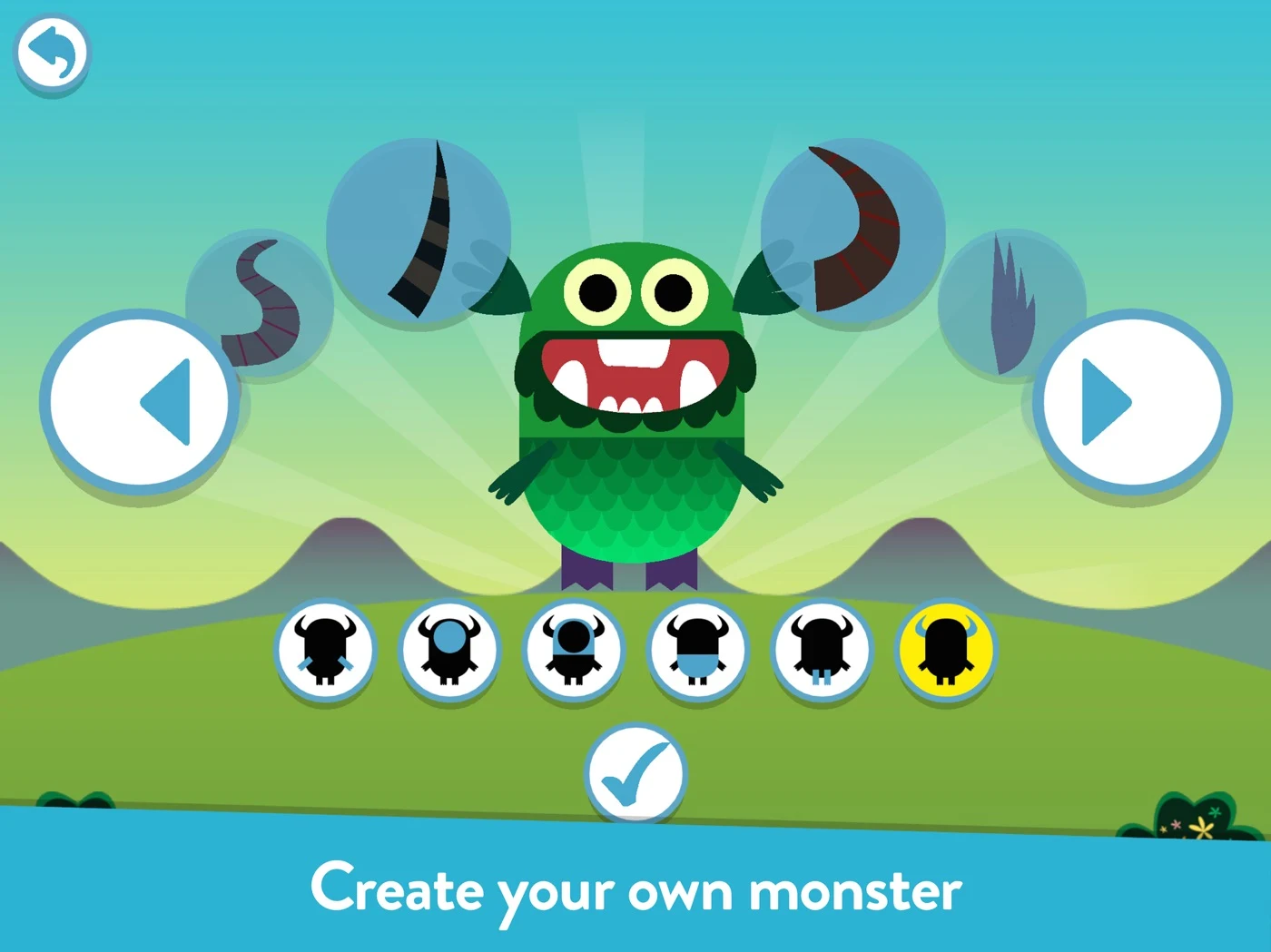
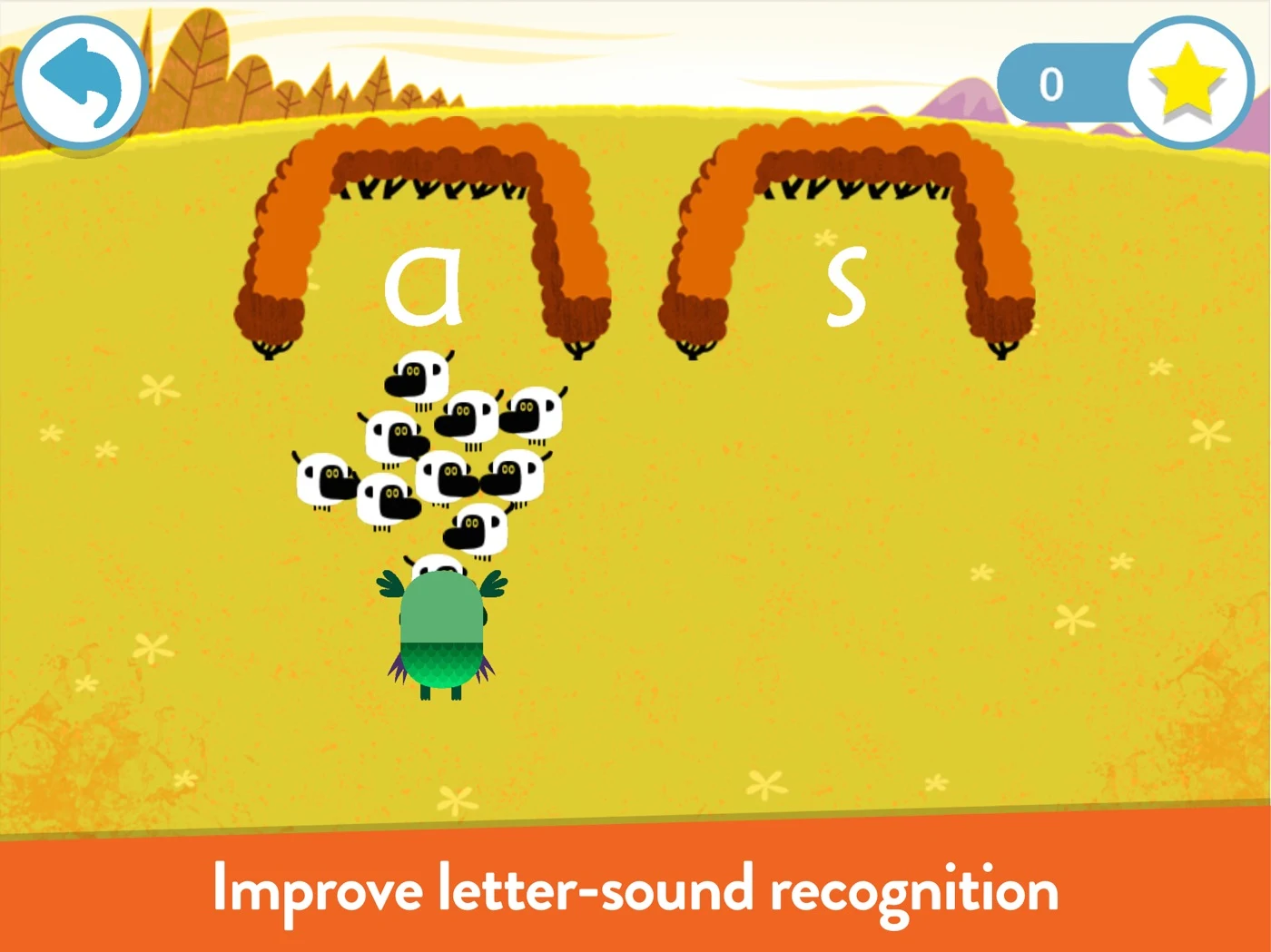
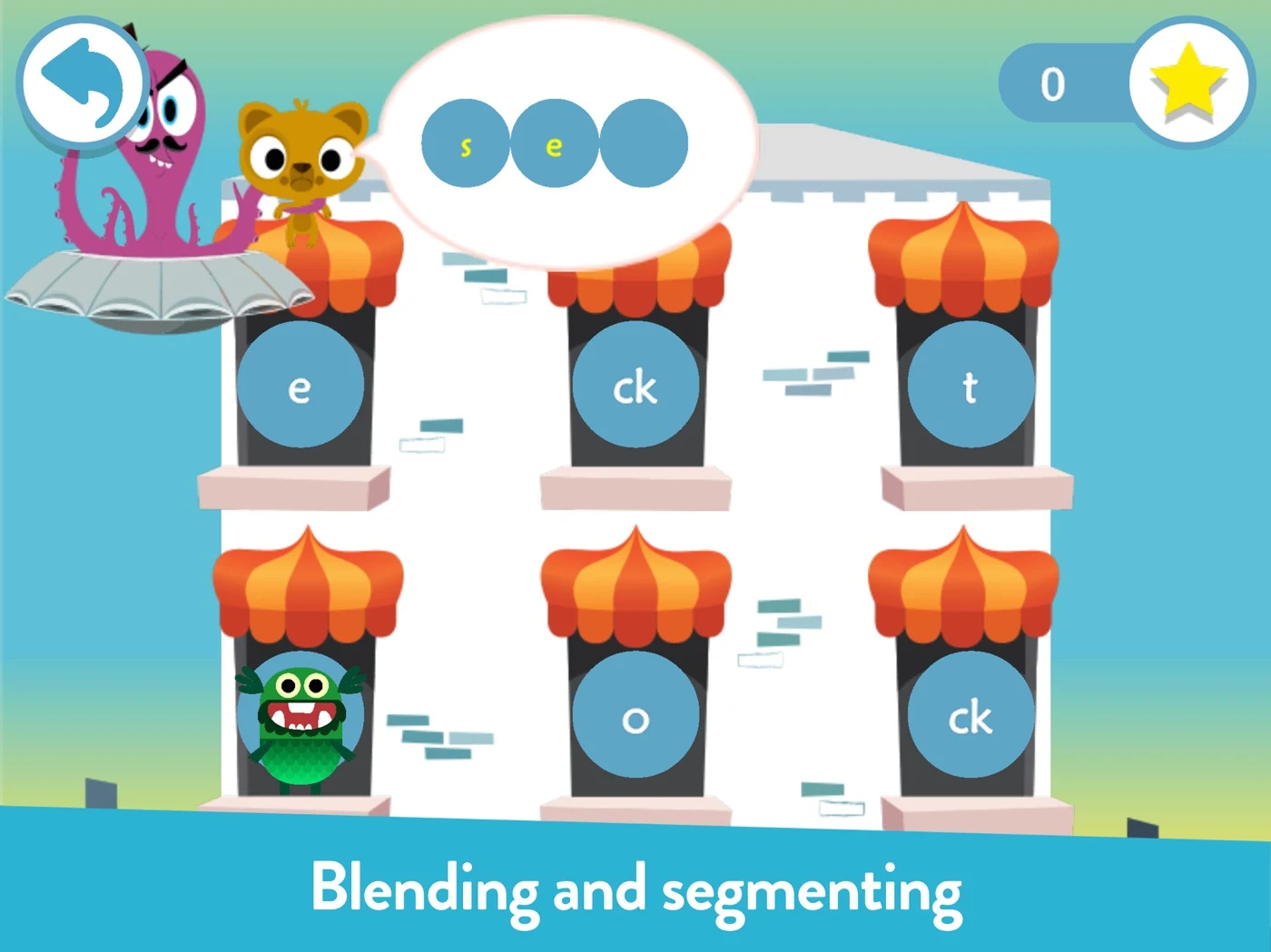
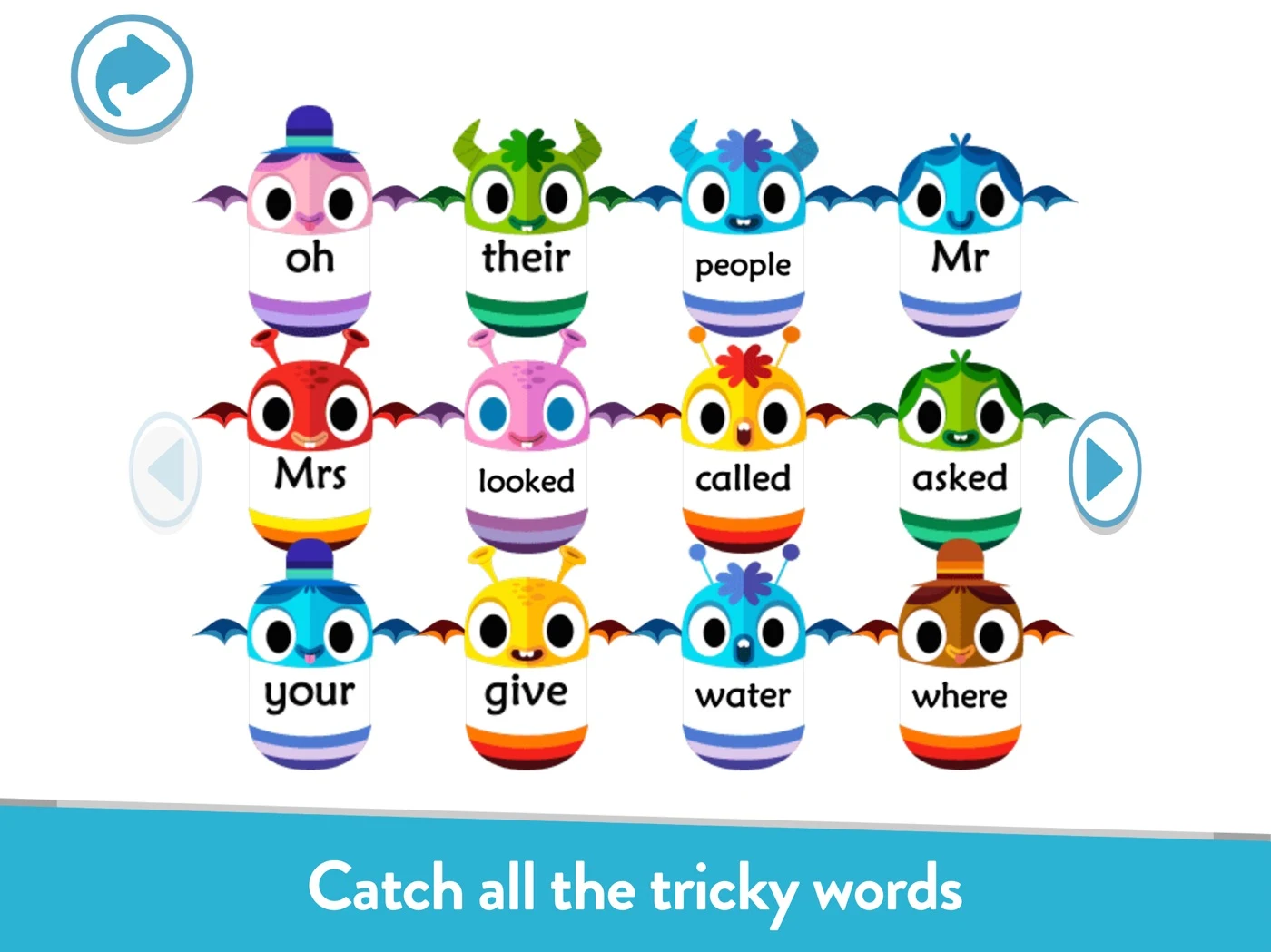
Explain the actual learner action and substantiate outcome claims.
Open the original App Store listing ↗ · US iPad capture, 27 October 2026.
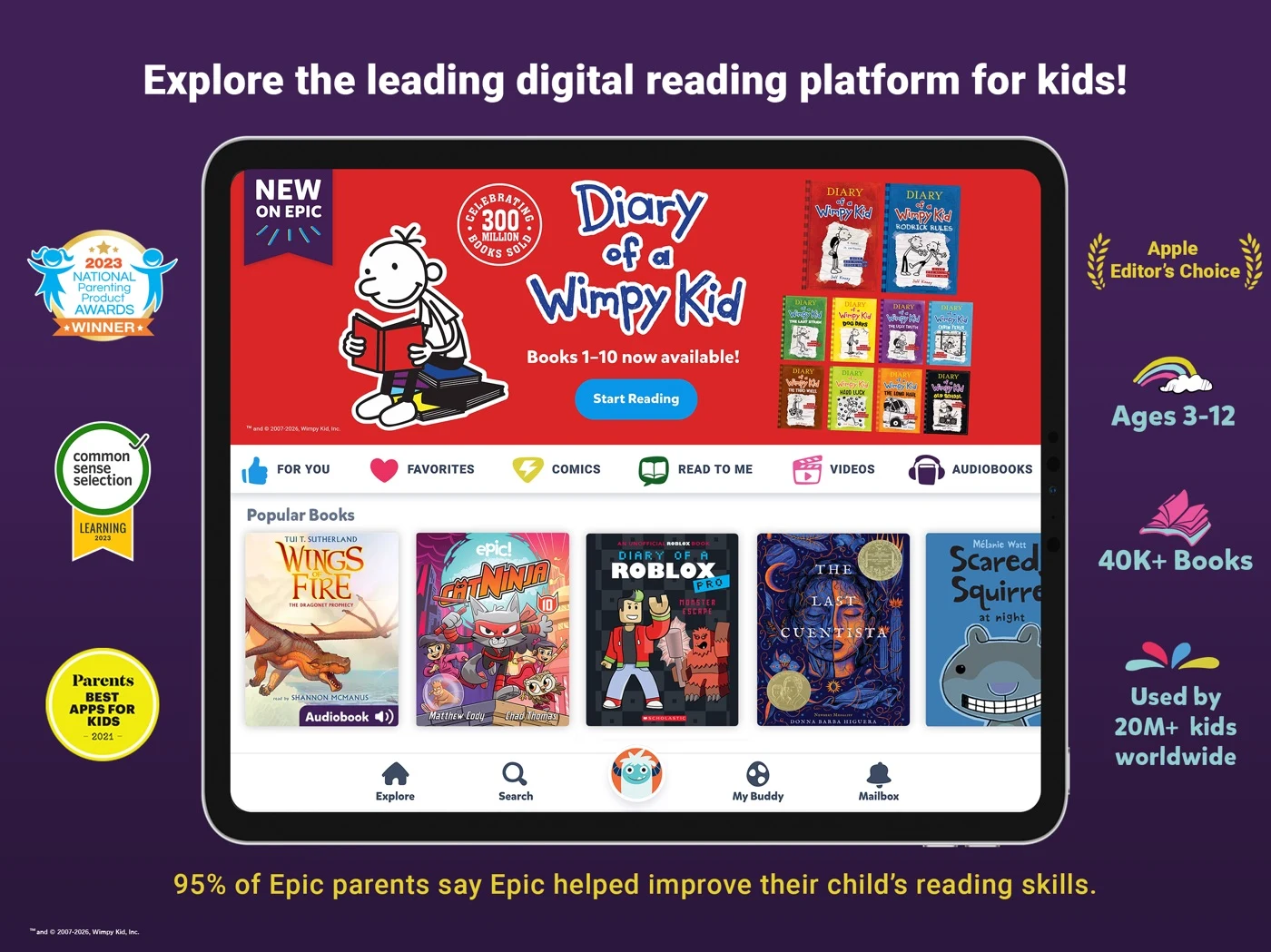
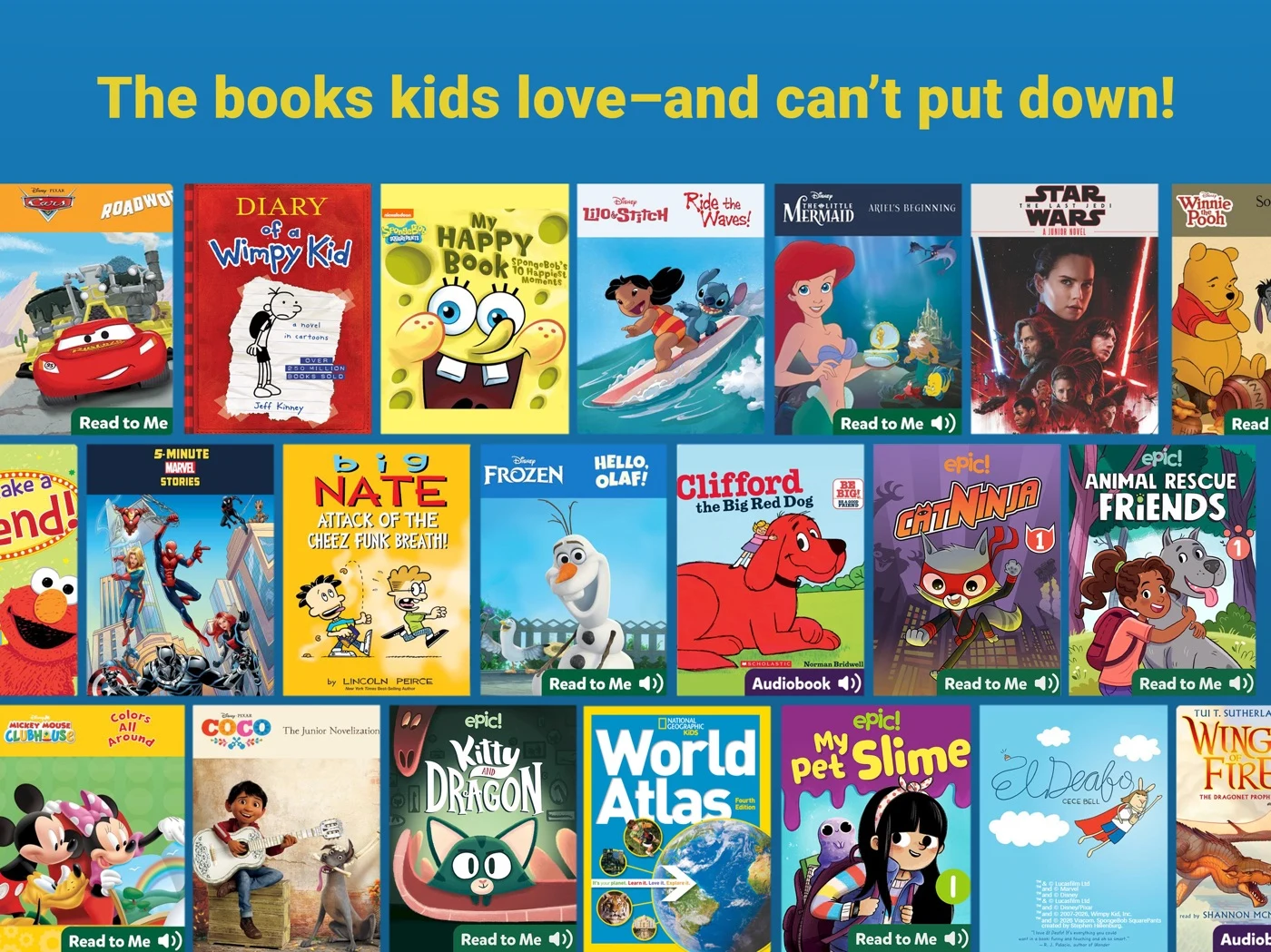
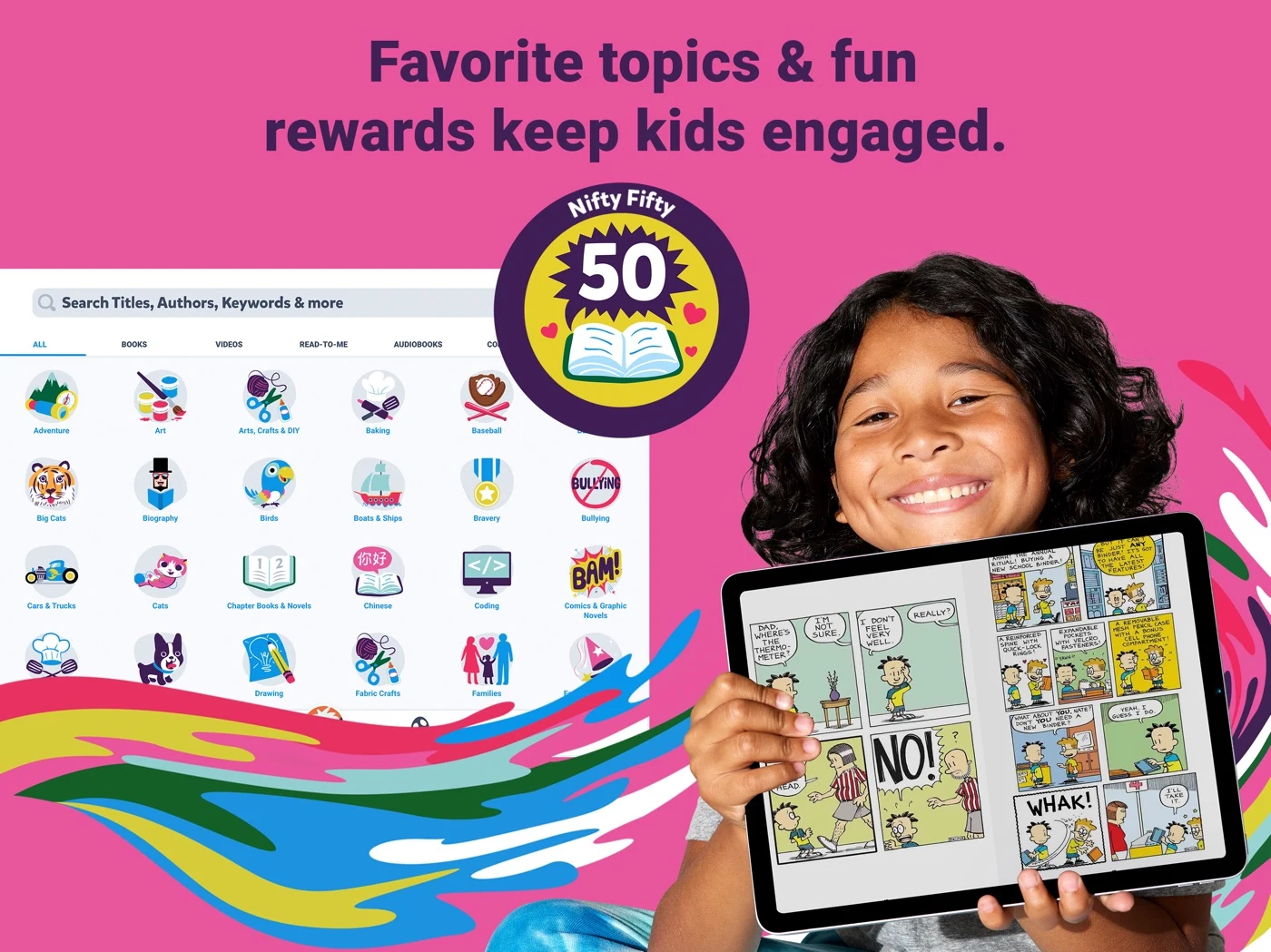
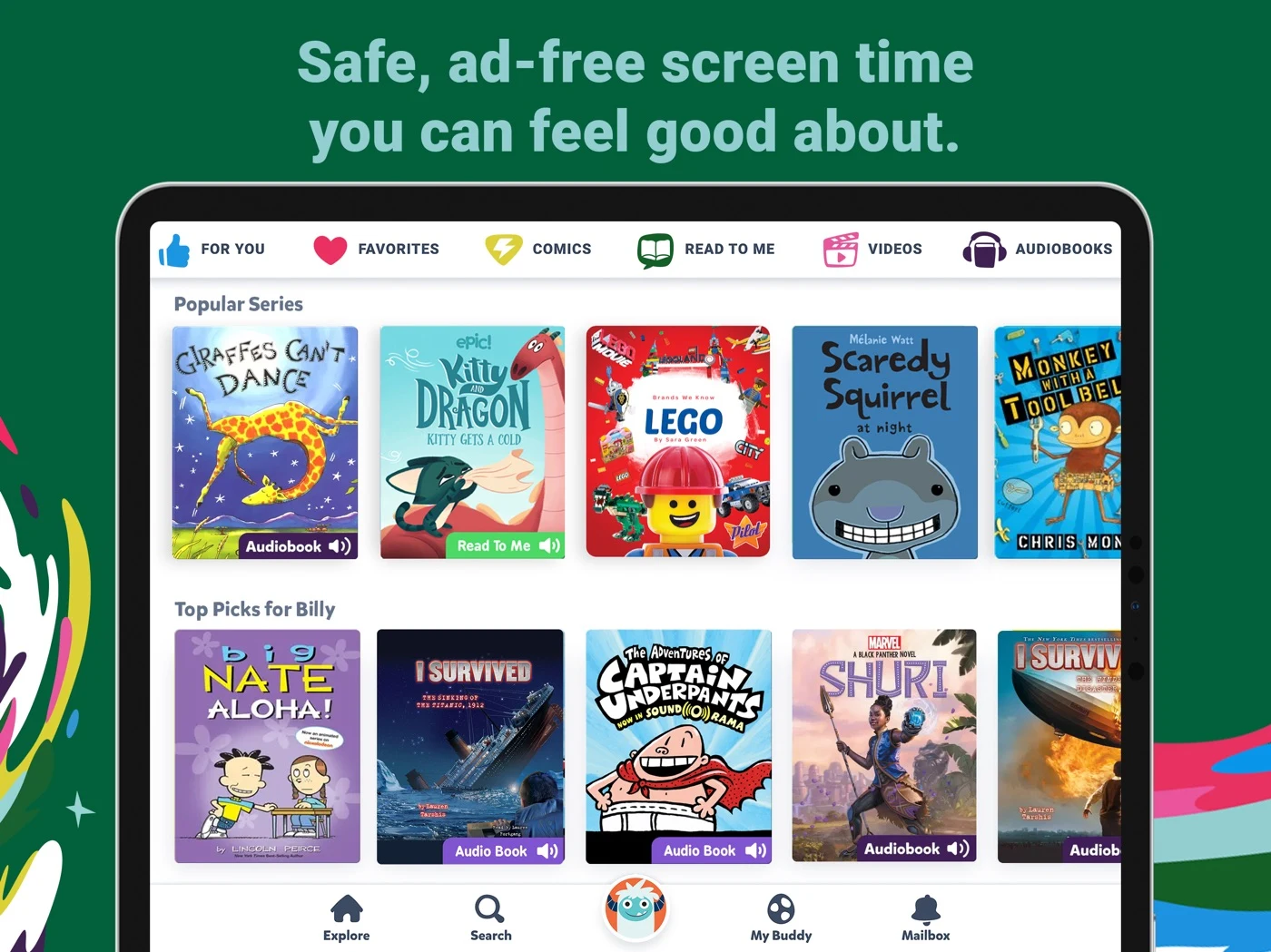
Distinguish formats and verify access, data practices and publisher claims.
Open the original App Store listing ↗ · US iPad capture, 27 October 2026.
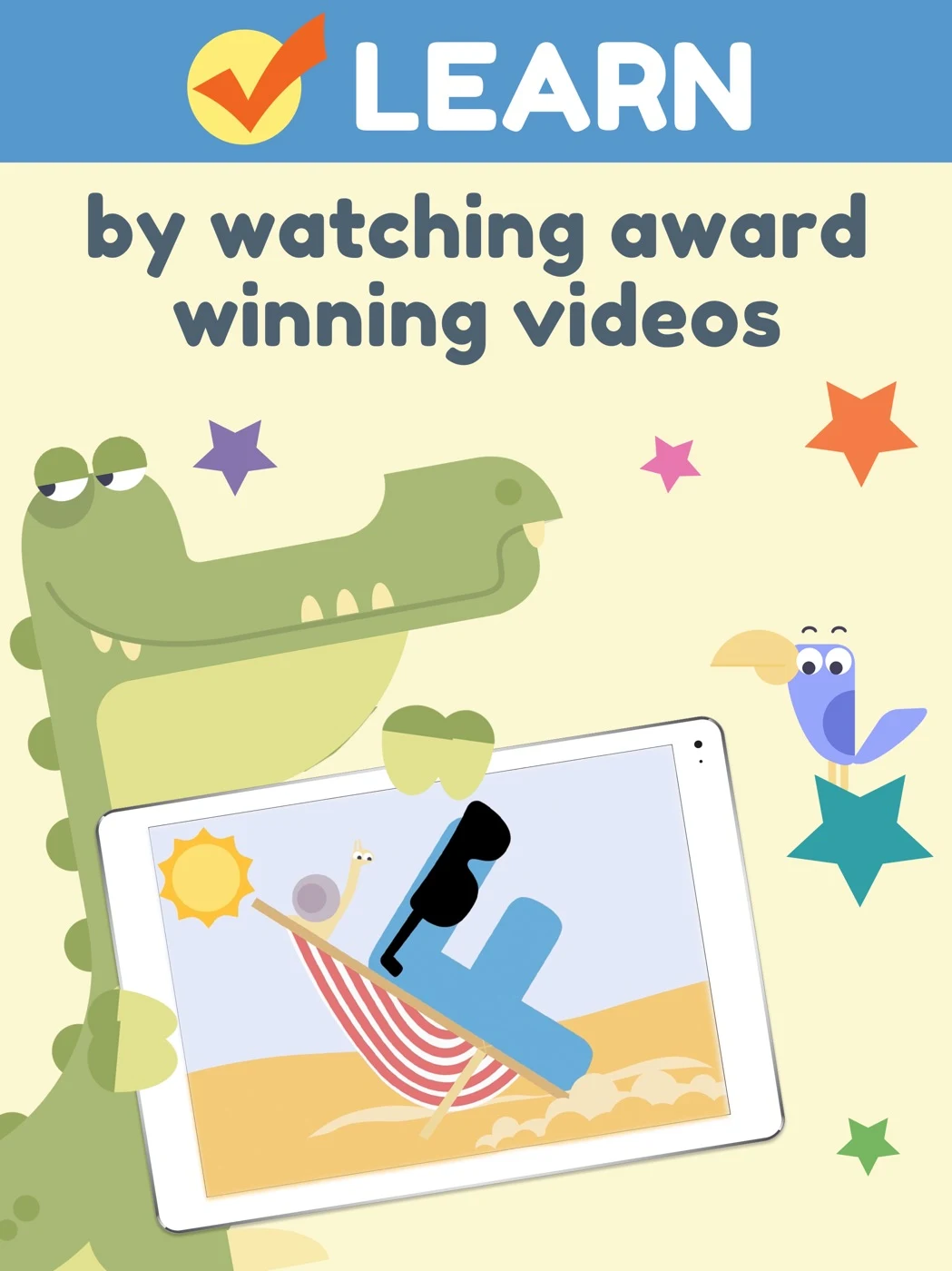
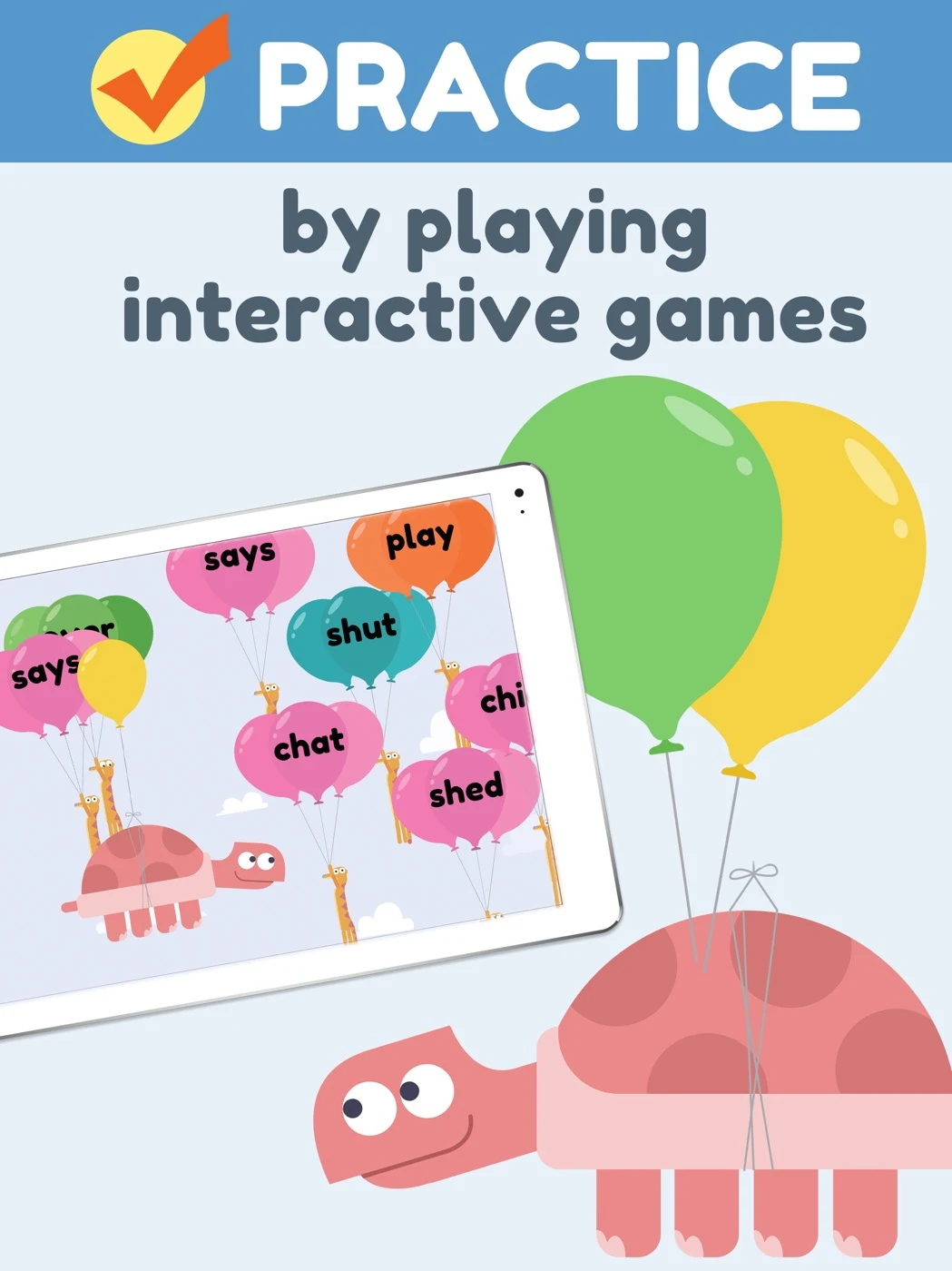
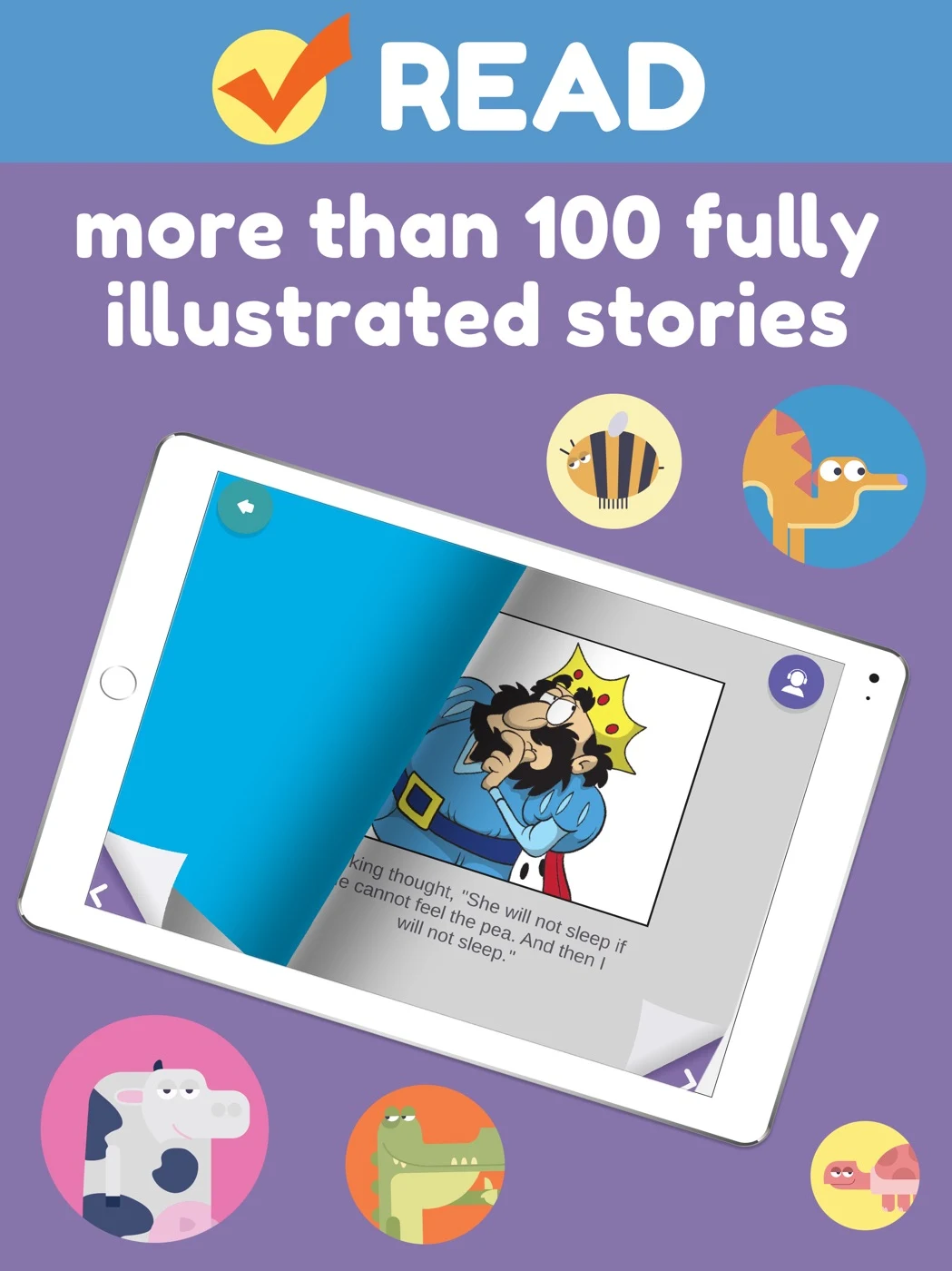
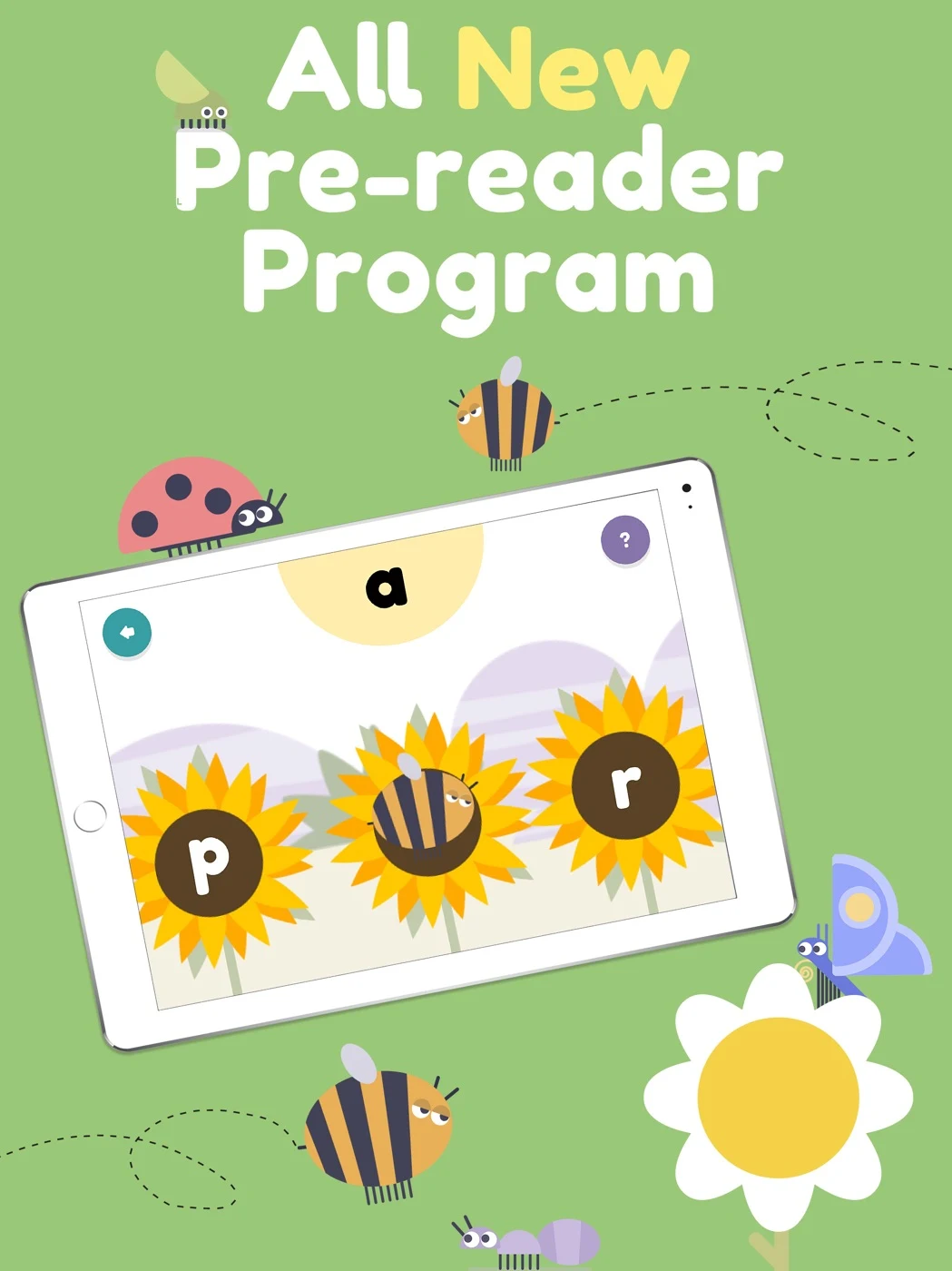
Show the specific task, its starting stage and actual plan access.
Open the original App Store listing ↗ · US iPad capture, 27 October 2026.
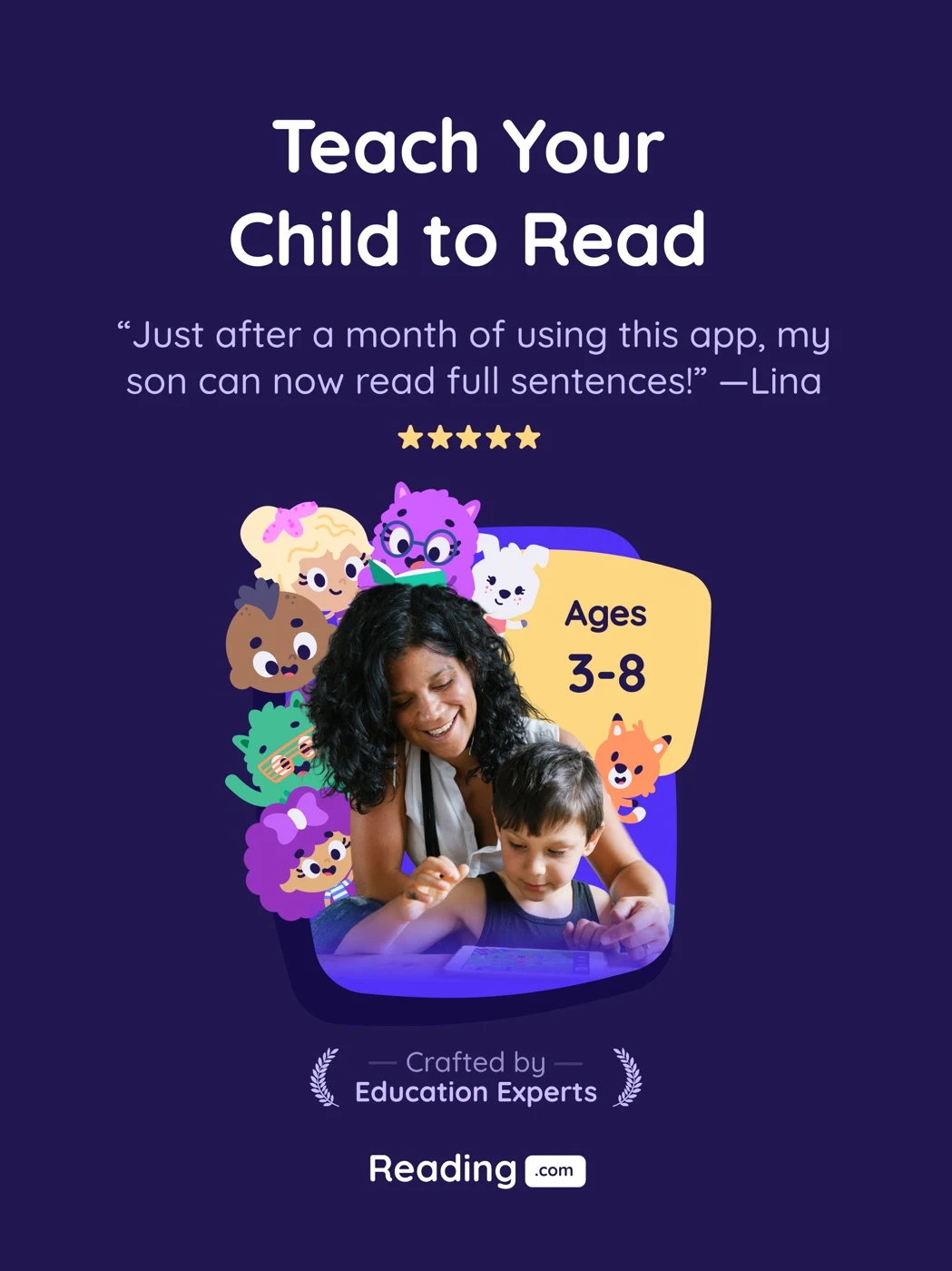
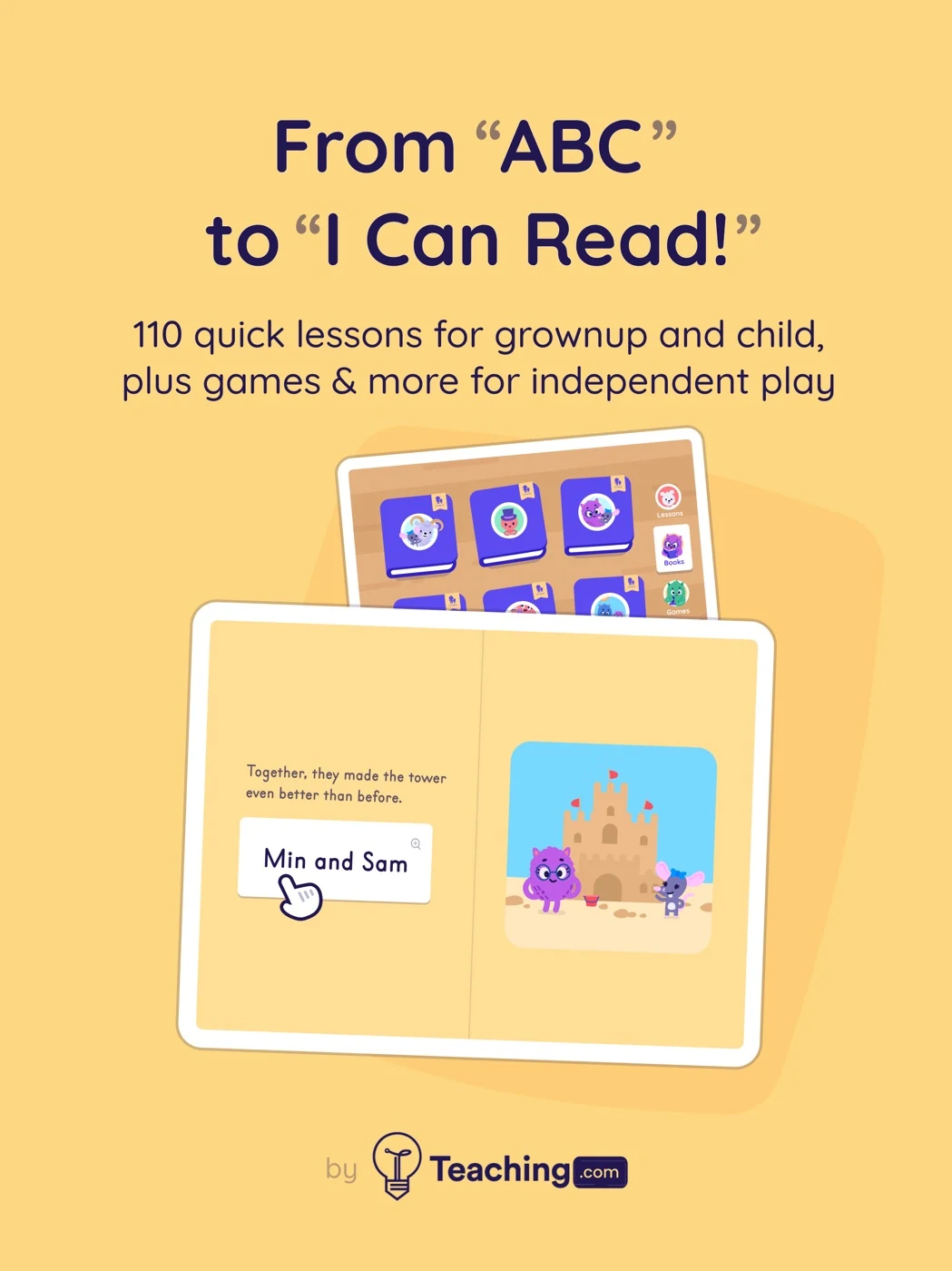
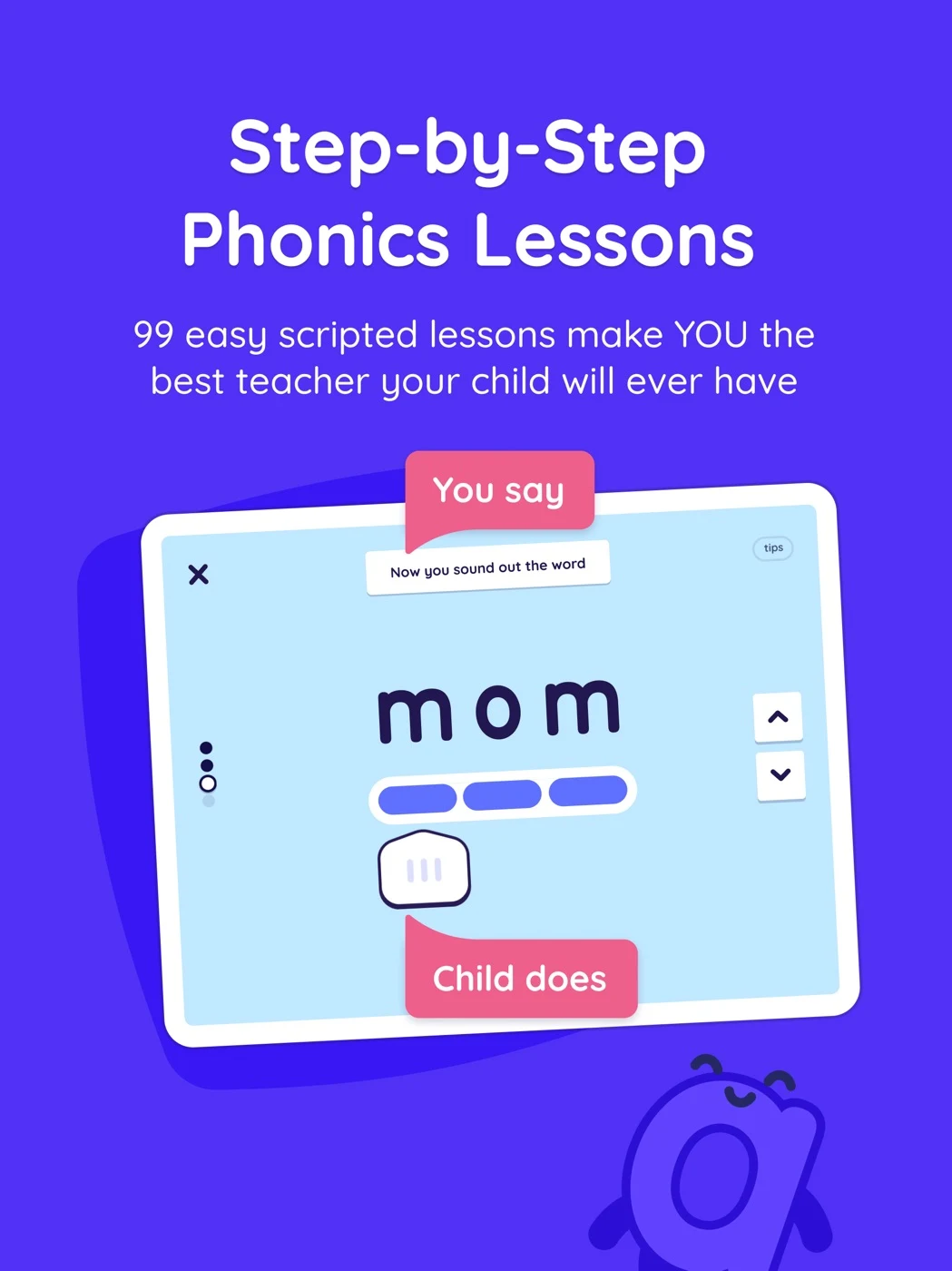
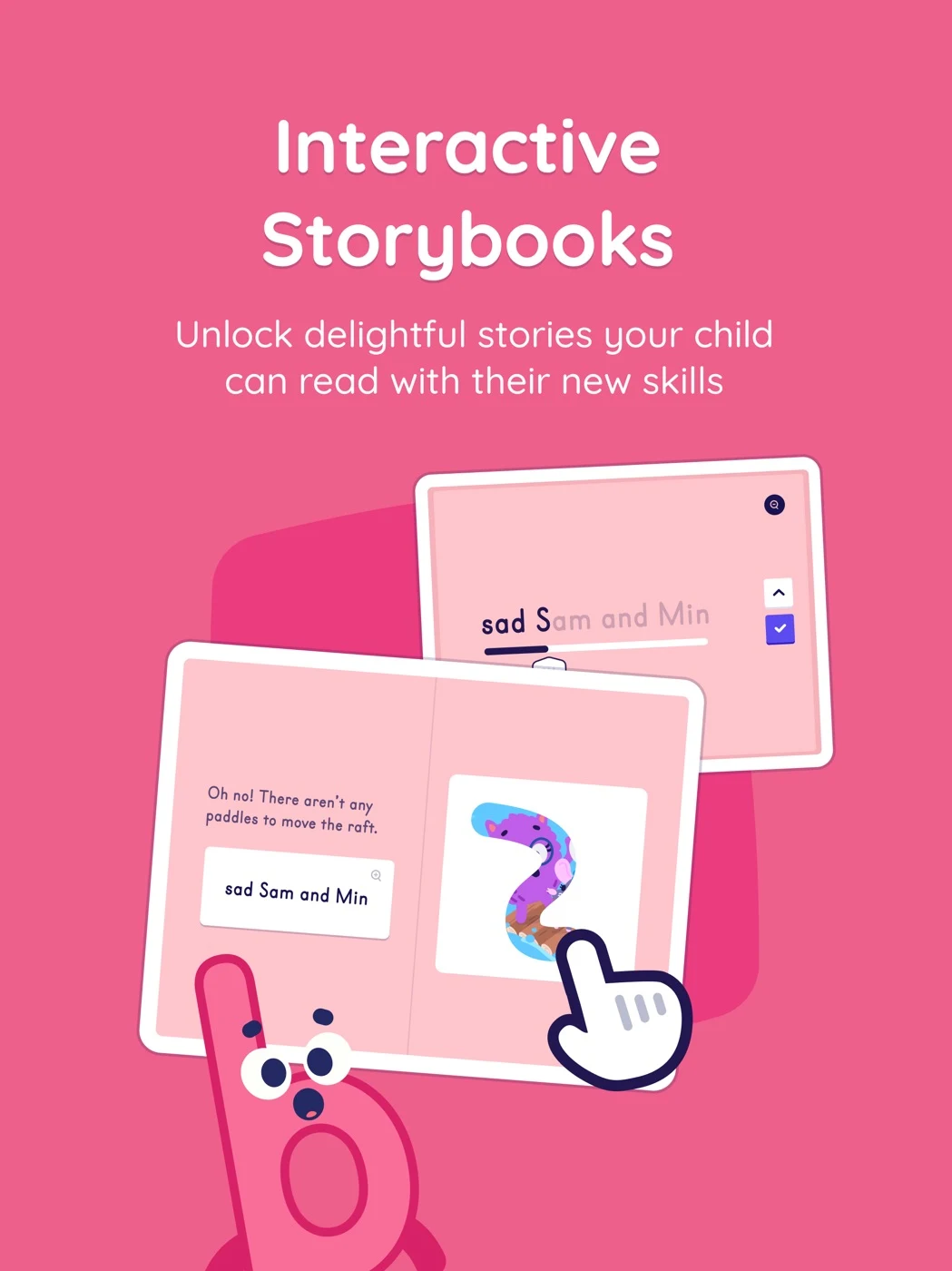
Explain the caregiver role; an individual testimonial is not proof of typical results.
Open the original App Store listing ↗ · US iPad capture, 27 October 2026.
These observations suggest tests, not proof of conversion effects. Use screenshot readability and sequence planning to show a supported action at store size.
READING APP ASO
Example only: Story Steps Demo is a fictional product with letter-sound practice and short illustrated stories. Use the wording only if the real product actually supports it.
Swipe horizontally to compare all columns →
| Field | Example | Why it helps |
|---|---|---|
| iOS app name | Story Steps: Reading | Product name plus a clear category. |
| iOS subtitle | Phonics and first stories | Name two supported activities. |
| iOS keyword field | letters,sounds,blend,books,beginner,read | Relevant candidates; check the 100-byte limit. |
| Google Play title | Story Steps: Reading | Distinctive name and product type. |
| Google Play short description | Explore letter sounds and read short stories together. | Explain a supported activity without an outcome promise. |
A truthful description can start: “Hear a letter sound, choose a matching letter and explore a short illustrated story with a grownup.” Then explain the real reader level, adult participation, free and paid access, languages and any offline limits. Check field limits and product availability for each store; use the iOS keyword field and Google Play short description guides.
A six-panel sequence could show the first sound activity, the child’s action, a real word-building example, a sample story page, the adult’s role and the actual access terms. Test message clarity at store size and review screenshot strategy.
Swipe horizontally to compare all columns →
| Field | Fictional example | Characters / limit |
|---|---|---|
| iOS name | Story Steps: Reading | 20 / 30 |
| iOS subtitle | Phonics and first stories | 25 / 30 |
| iOS keyword field | letters,sounds,blend,books,beginner,read | 40 / 100 |
| Google Play title | Story Steps: Reading | 20 / 30 |
| Google Play short description | Explore letter sounds and read short stories together. | 54 / 80 |
The example is fictional; verify actual features, messaging rules, plans and supported markets. Review the iOS keyword field, short description and long description.
The first screenshots should match the real product experience.
READING APP ASO
1. Showing a character without showing a reading activity: test a real interaction first. 2. Calling a narrated library a phonics course: describe what is actually available. 3. Promising a child will read within a fixed time: use only substantiated and applicable claims. 4. Assuming that every child of the same age reads at the same level: explain the task and starting point. 5. Hiding that an adult must guide lessons: show the adult’s real role. 6. Using “free books” when only a sample is free: make the plan limits clear. 7. Claiming offline reading for every title when downloads are limited: describe exact conditions. 8. Treating a privacy badge as proof of overall compliance: review current data practices and applicable rules. 9. Presenting an AI book or button as an actual feature: replace it with approved product UI. 10. Treating store conversion as proof of educational effectiveness: keep commercial and learning evaluation separate.
Check trust signals and record the change in a metadata change log.
READING APP ASO
This is a research blueprint for adult searchers, not permission to launch campaigns or spend money. Verify current product eligibility, platform rules, Apple Ads audience settings and applicable privacy obligations. Do not profile children or assume the person using a device matches the account holder’s age.
Create intent groups for supported phonics, blending, first books, narrated books and adult-guided reading. Start with relevant exact-match candidates as hypotheses; use broad match or Search Match for discovery only where available and appropriate. Review aggregate search terms and exclude irrelevant intent where justified: for example, printable worksheets if none are offered. Validate brand and competitor terms separately under current policy.
For each intent group, connect the search term to a real feature, appropriate product page and aggregate measures. Compare impressions, taps and downloads with a consistent market and attribution window. High taps and weak downloads can indicate a mismatch, but do not prove a particular screenshot caused it. Define an authorized budget and stop rule before any future test. Review conversion definitions and ASO and acquisition.
Read Apple’s campaign structure, match types and negative keywords. Define conversion rates, ASO metrics and acquisition measurement.
READING APP ASO
In these five captured US iPad sets, apps combine character imagery with activity examples and parent-facing claims. This small dated sample cannot establish a market-wide trend or conversion impact.
Test a real activity against a character-led opening; ask adults what the child can do and what is included. Review the original panels and treat the effect as a hypothesis.
READING APP ASO
These are fictional AI concepts, not real profiles, live screens or tested treatments. Select an image for full size.
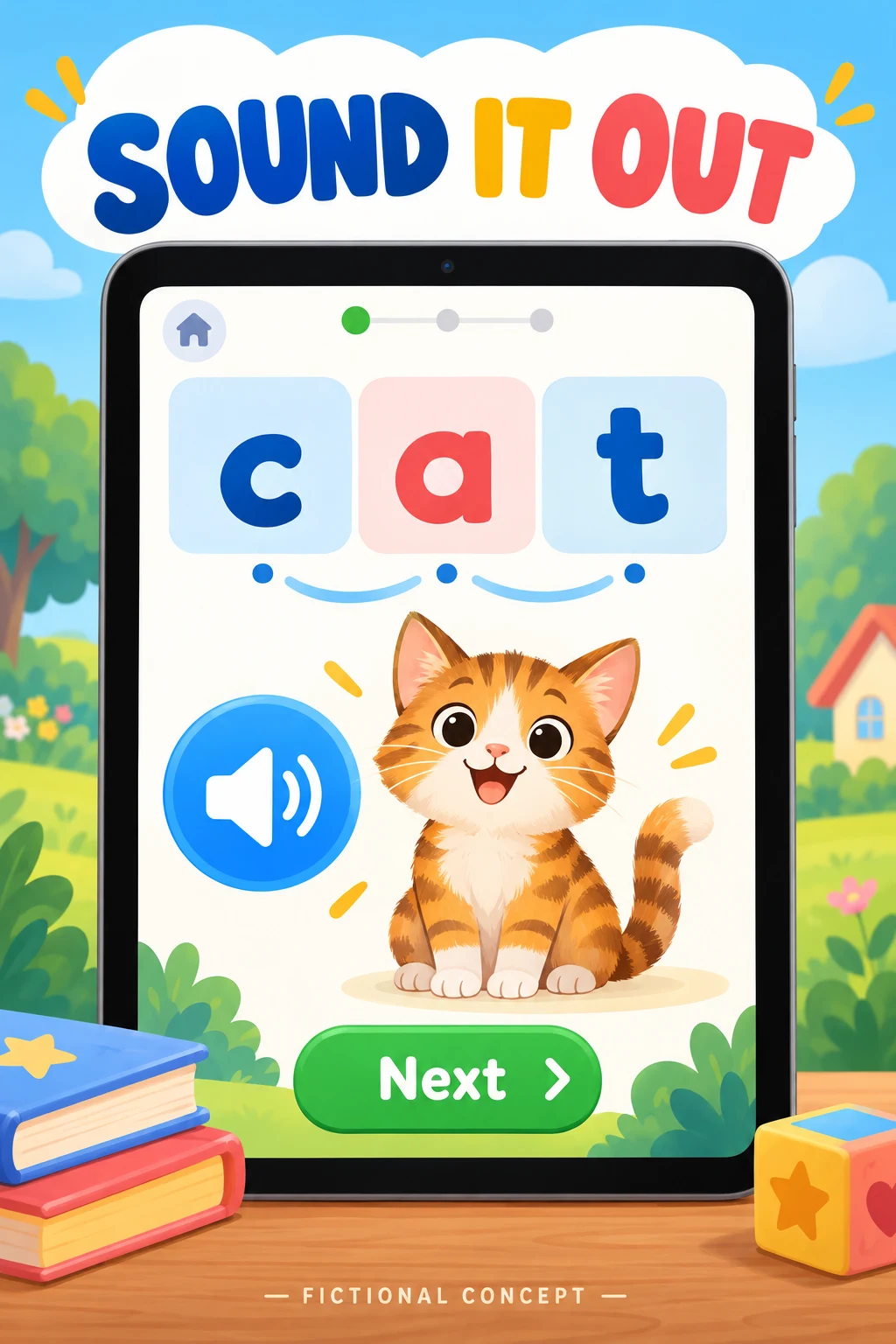
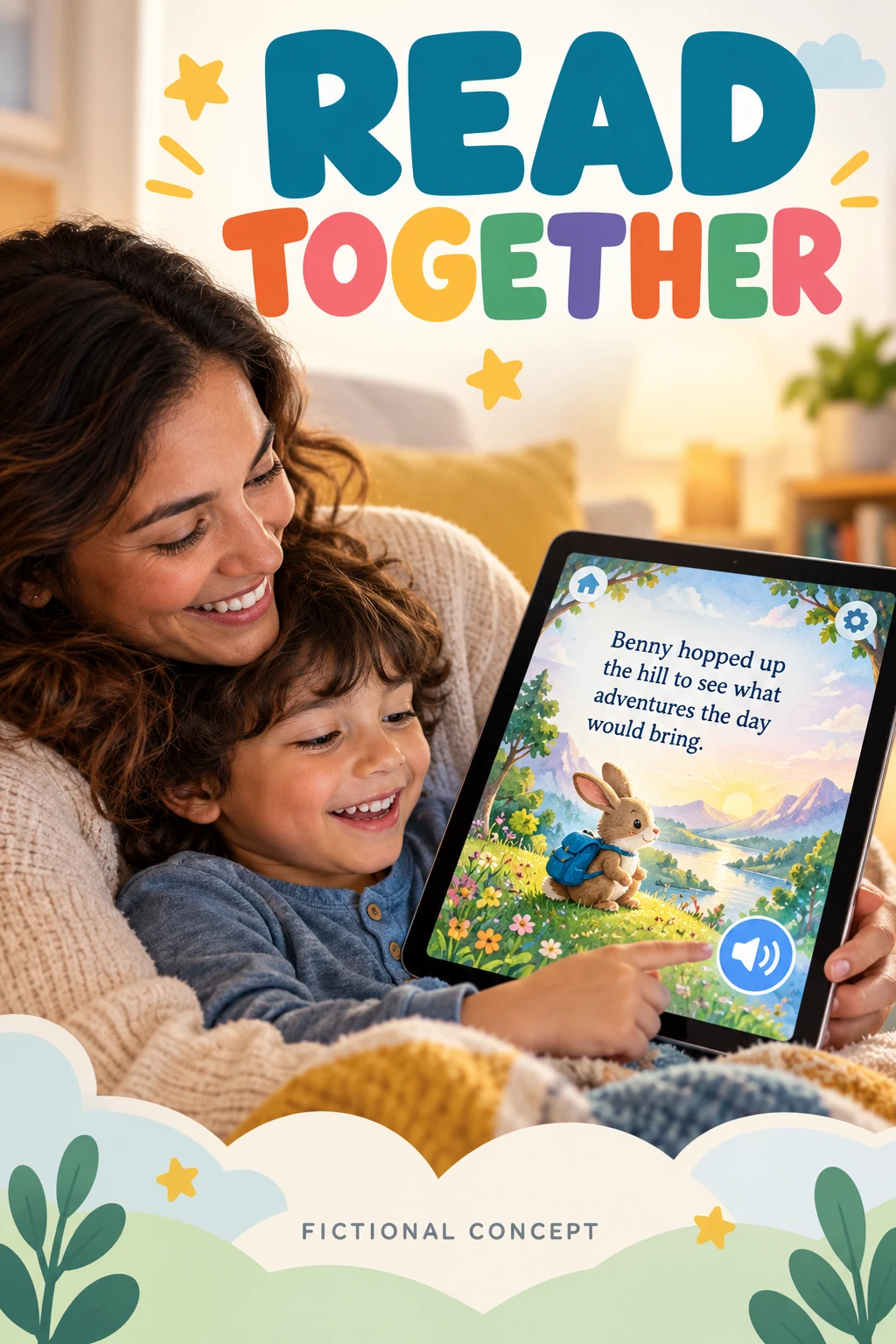
The letter tiles, progress dots and audio button are invented. The storybook, narration control and shared-reading UI are fictional; replace all with real approved content before testing. Rebuild with real approved UI. DOWNLOAD TEN WORKED TEST BRIEFS ↓
AI concepts are visual hypotheses, not real app screenshots or evidence of reading progress. Start with an approved description of a genuine activity. Ask whether an adult can identify the reading task, support required and access terms. Replace invented icons, stories, scores and interface elements with actual product screens before a store experiment.
One concept could make a letter-sound task visible with “Sound it out.” Another could show a grownup and child reading together with “Read together.” Check the actual interaction, supported age and language, and any store screenshot requirements before using the idea.
ASO tip: show the difference between listening to a story, practicing letter sounds and reading a book. Adults should know which one the app actually offers.
ASO strategy: cluster keywords around distinct reading tasks, map each cluster to a real feature and validate search demand before updating metadata.
ASO warning: never turn a publisher testimonial, a badge or a single screenshot into a guaranteed educational outcome. Substantiate the exact claim and its audience.
ASO tip: make the caregiver’s role clear. An app designed for shared lessons solves a different need from one designed for independent reading.
ASO strategy: compare a task-led opening with a library-led opening using an approved, privacy-respecting test; keep market and attribution consistent.
ASO warning: describe subscriptions, trials, downloaded books, supported languages and data practices accurately. Do not use child-level profiling for an advertising or conversion experiment.
READING APP ASO
Verify age suitability, parent controls, privacy practices, plan boundaries, offline access and accessibility before submitting. Localize support and moderation as well as creative.
Use local keyword research, screenshot adaptation, localization QA and an ASO audit.