Christian Mingle - Dating App: Discovery, likes and messaging

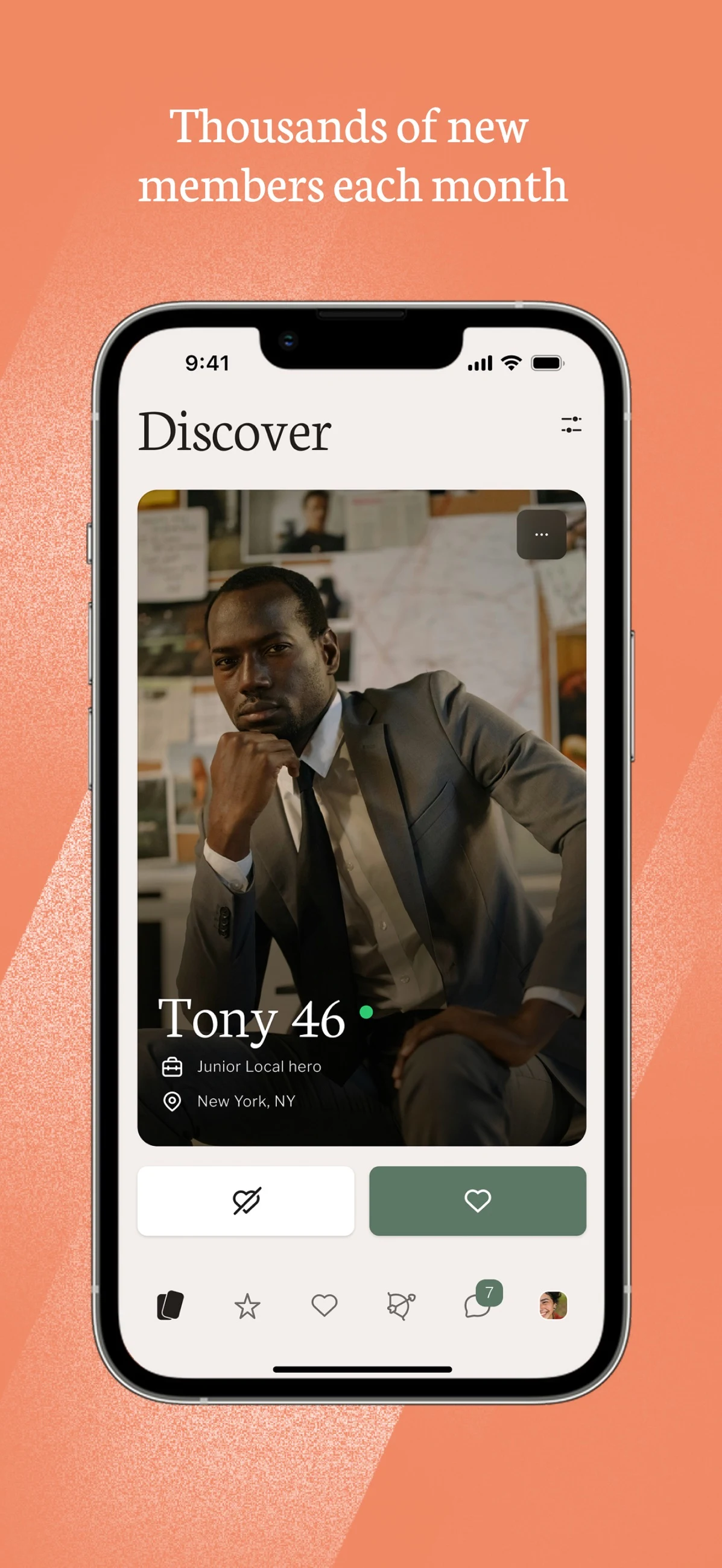
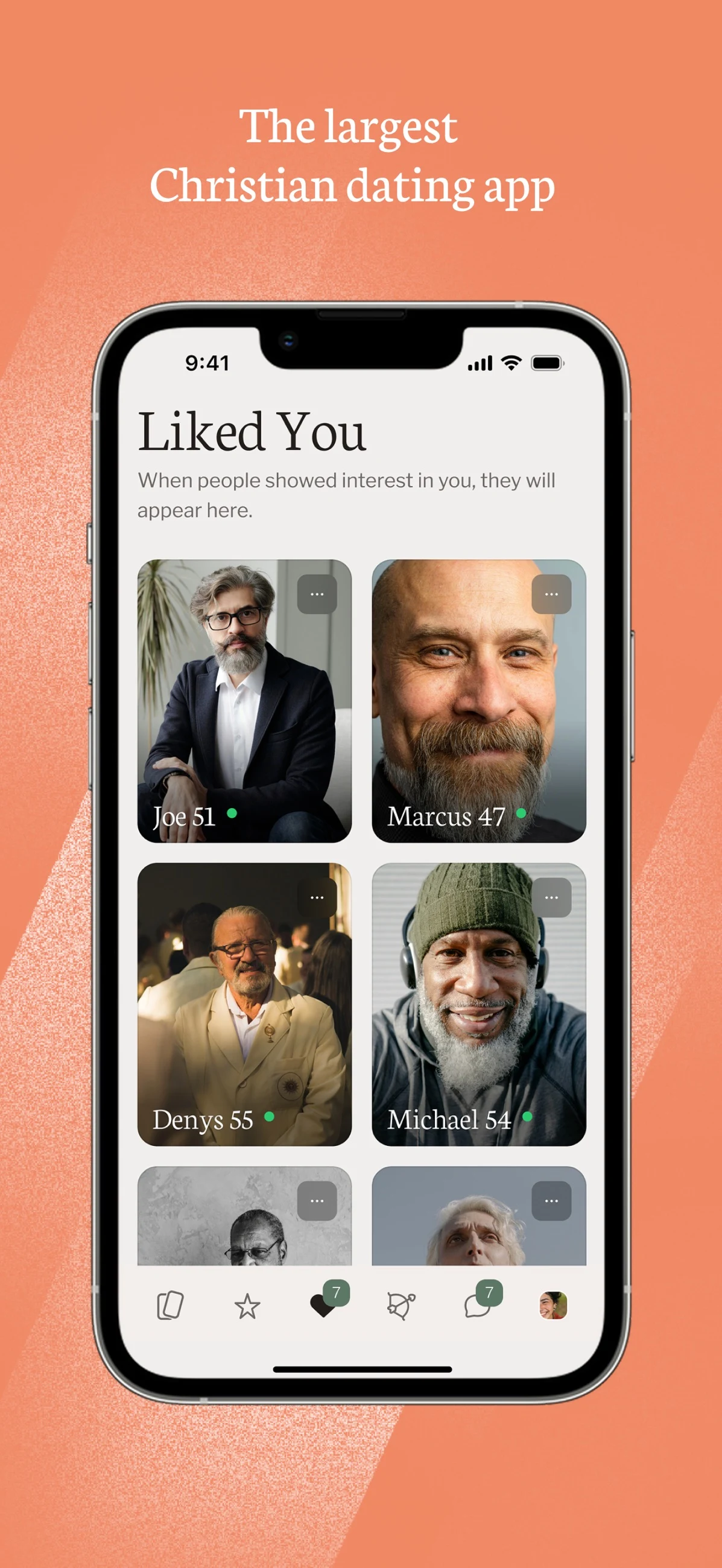
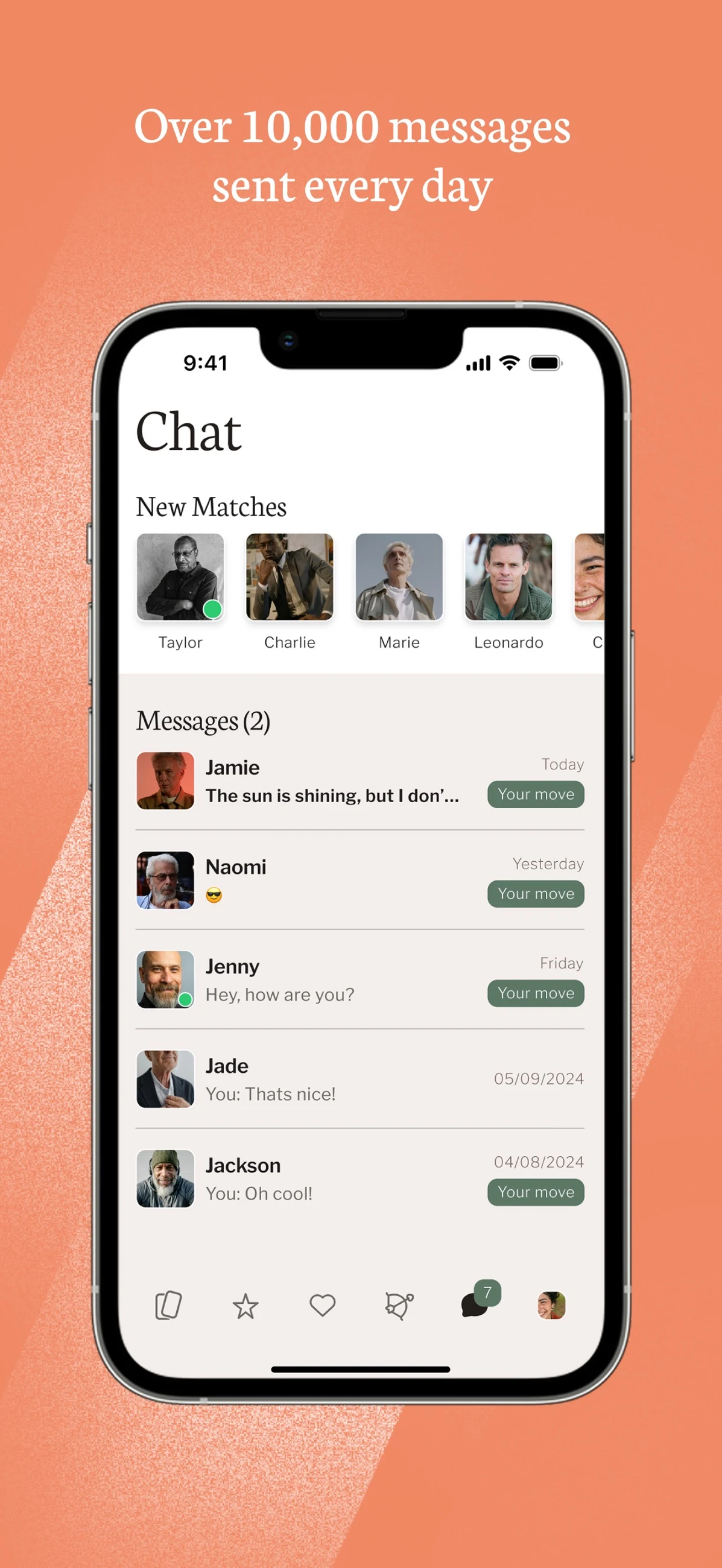
Test a specific product action; verify all counts and paid messaging boundaries.
Open the original App Store listing ↗ · US iPhone capture, 27 October 2026.
CATEGORY PLAYBOOK / FAITH-BASED DATING
Show the community you serve, the choices people control and how connection works.
EXPLORE THE PLAYBOOK ↓
FAITH-BASED DATING APP ASO
A faith-based dating app has two promises to communicate: who the product is designed to serve and how people can actually meet. A listing that says only “shared values” might feel welcoming, but it leaves a visitor wondering what those values mean in this product, what they can choose to disclose and whether the app serves their own community.
Christian, Catholic, Jewish and Muslim dating products can use different language, rituals and relationship goals. None of those communities is a single audience. Members may differ in religious practice, culture, identity, age and what they want from a relationship. Use words that fit the actual product and its users; never assume faith from a person's name, appearance or background.
The eight US iOS listings reviewed on 27 October 2026 are examples for analysis, not a market-share ranking. Screenshots show the publishers' creative and may change. Claims about member counts, safety or relationships have not been independently verified. Start with the broader dating ASO guide and ASO strategy.
Keyword ideas · Eight apps · Real screenshots · Apple Ads
Start with the broader dating app guide and ASO strategy.
FAITH-BASED DATING APP ASO
These are hypotheses for interviews and usability research, not statistics about who uses an app. Recruit across different experiences within the actual community served, and let participants describe their own preferences.
Swipe horizontally to compare all columns →
| Potential need | Ask in research | What the listing could show |
|---|---|---|
| A person seeking a Christian partner | Which aspects of belief matter in a profile? | Actual voluntary faith fields and their visibility. |
| A Catholic user comparing communities | Is a specific denomination relevant to the product? | An accurate supported community or preference, never an invented filter. |
| A Jewish user interested in culture or practice | Which descriptions feel accurate and respectful? | A real profile prompt with optional disclosure explained. |
| A Muslim user seeking marriage | How should the app describe relationship intentions and pace? | A real intent setting without promising a marriage. |
| A person looking for companionship first | Can someone express a different pace? | Only the intentions and friendship features actually offered. |
| Someone exploring after a long relationship | What happens after joining? | An understandable first profile and permitted action. |
| Someone outside a major city | Is the product available and useful locally? | Honest market coverage and distance controls, not invented member counts. |
| A privacy-conscious visitor | Who sees religious information? | Actual visibility settings, defaults, edit and deletion options. |
| Someone comparing subscription plans | What is free and what requires payment? | A legible, current feature comparison for the market. |
| Someone using assistive technology | Can I read and complete key tasks? | Readable typography and verified accessibility behavior, not age assumptions. |
Use search intent and value proposition research to turn these questions into a product-specific listing. Participation should be voluntary; do not collect or export religious beliefs just to create advertising audiences.
Apply search intent and value proposition research without stereotyping.
FAITH-BASED DATING APP ASO
These 100 ideas are unmeasured candidates, not demand estimates or rankings. Check current results, feature support and local availability before prioritizing.
Use keyword research, relevance checks, long-tail research and prioritization to validate ideas before use.
The worksheet contains 100 candidate terms in ten clusters: Christian, Catholic, Jewish, Muslim, shared-faith intent, profile features, local discovery, longer-tail community searches and practical controls. They are unmeasured ideas, not search volume, difficulty scores or a claim that any phrase will rank. Check the actual app, live results, country, policies and language used by community members before choosing terms.
A product genuinely designed for Catholic singles may consider “Catholic dating app”; a Muslim marriage product might research “Muslim marriage app with preferences” if those preferences exist. Do not insert a religious term merely because an adjacent community searches it. A general-purpose app should not imply religious affiliation or endorsement that it cannot substantiate.
A narrow phrase can be useful when it describes an actual experience, such as a faith preference or a profile prompt, but it may have little measurable traffic. Validate local demand and distinguish a genuinely supported feature from a wish list. See keyword research, keyword relevance, long-tail research and prioritization.
FAITH-BASED DATING APP ASO
The following app names and developers are from US Apple listing data captured 27 October 2026. They illustrate different positioning, not verified top performers. Open each listing for current titles, availability, subscription terms and feature details.
Swipe horizontally to compare all columns →
| App | Position to investigate | ASO question to test |
|---|---|---|
| Christian Mingle | Christian dating proposition. | Does the visitor understand the first discovery action and any plan limits? |
| Upward | Christian dating and meeting singles. | Can a visitor tell how the app describes its community and connection flow? |
| SALT | Christian dating with values and relationship imagery. | Does the profile show a real value field and its visibility? |
| Jdate | Jewish dating positioning. | How clearly does the page demonstrate the path from discovery to messaging? |
| JSwipe | Jewish dating positioning. | Is the intended action readable alongside the community message? |
| Muzz | Muslim partner and friendship positioning. | Can the page distinguish actual available modes and preference controls? |
| Salams | Muslim marriage-focused positioning. | Is the relationship-intent message supported by actual settings? |
| CatholicMatch | Catholic dating positioning. | Does a denomination-specific promise match genuine eligibility and features? |
Review screenshots as publisher examples, not proof of effectiveness. Christian Mingle and Jdate use visibly similar profile-grid and chat imagery in this capture; similarity in assets does not prove identical audiences, product experiences or results. Use the competitor research guide to record visible choices and unknowns separately.
Original sources: Christian Mingle - Dating App ↗ · Upward Dating: Meet Singles ↗ · SALT - Christian Dating App ↗ · Jdate: Jewish Dating App ↗ · JSwipe - #1 Jewish Dating App ↗ · Muzz: Where Muslims Marry ↗ · Salams: Halal Muslim Marriage ↗ · CatholicMatch Dating App ↗
Use competitor research to investigate mechanics rather than copy claims.
FAITH-BASED DATING APP ASO
Apple's current app-information reference gives the app name and subtitle a 30-character limit. Its platform-version reference describes the keyword field as up to 100 bytes; count bytes when using non-English characters. Avoid competitor names, irrelevant faith terms and claims the product cannot support. Apple's review guidance requires accurate metadata and disclosure of featured items that require extra purchases.
Google Play has its own metadata and user-generated-content requirements. Its published policy addresses moderation, terms, reporting and blocking; dating and matchmaking functionality can also have age-restriction requirements. Review the full current rules and the actual product configuration. The iOS keyword field guide, Google Play short description guide and localization QA guide explain the operational work.
FAITH-BASED DATING APP ASO
These are 20 original US iPhone panels captured and individually reviewed on 27 October 2026. Select any image to view it full-size. Live storefront order may differ. Publisher claims and outcomes are not independently verified.
Test a specific product action; verify all counts and paid messaging boundaries.
Open the original App Store listing ↗ · US iPhone capture, 27 October 2026.

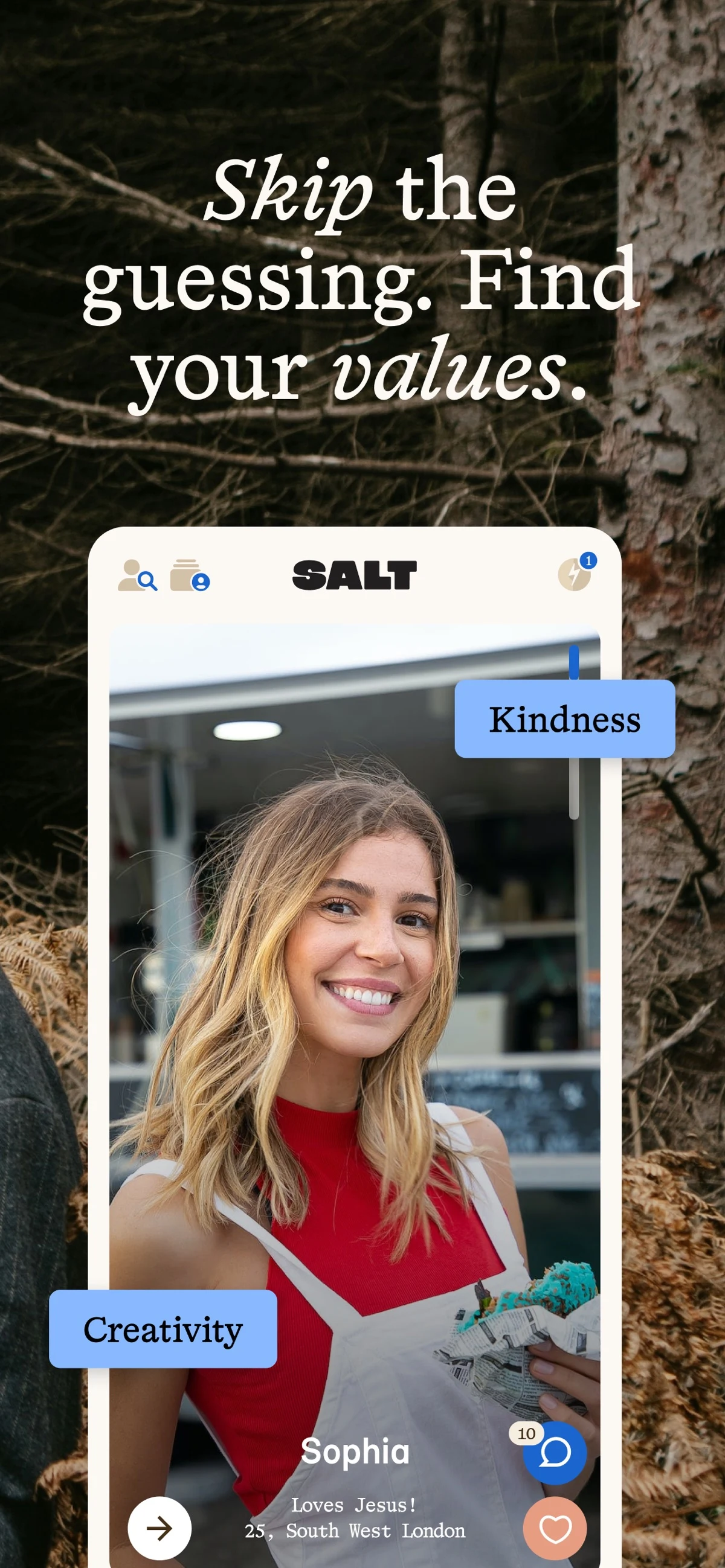

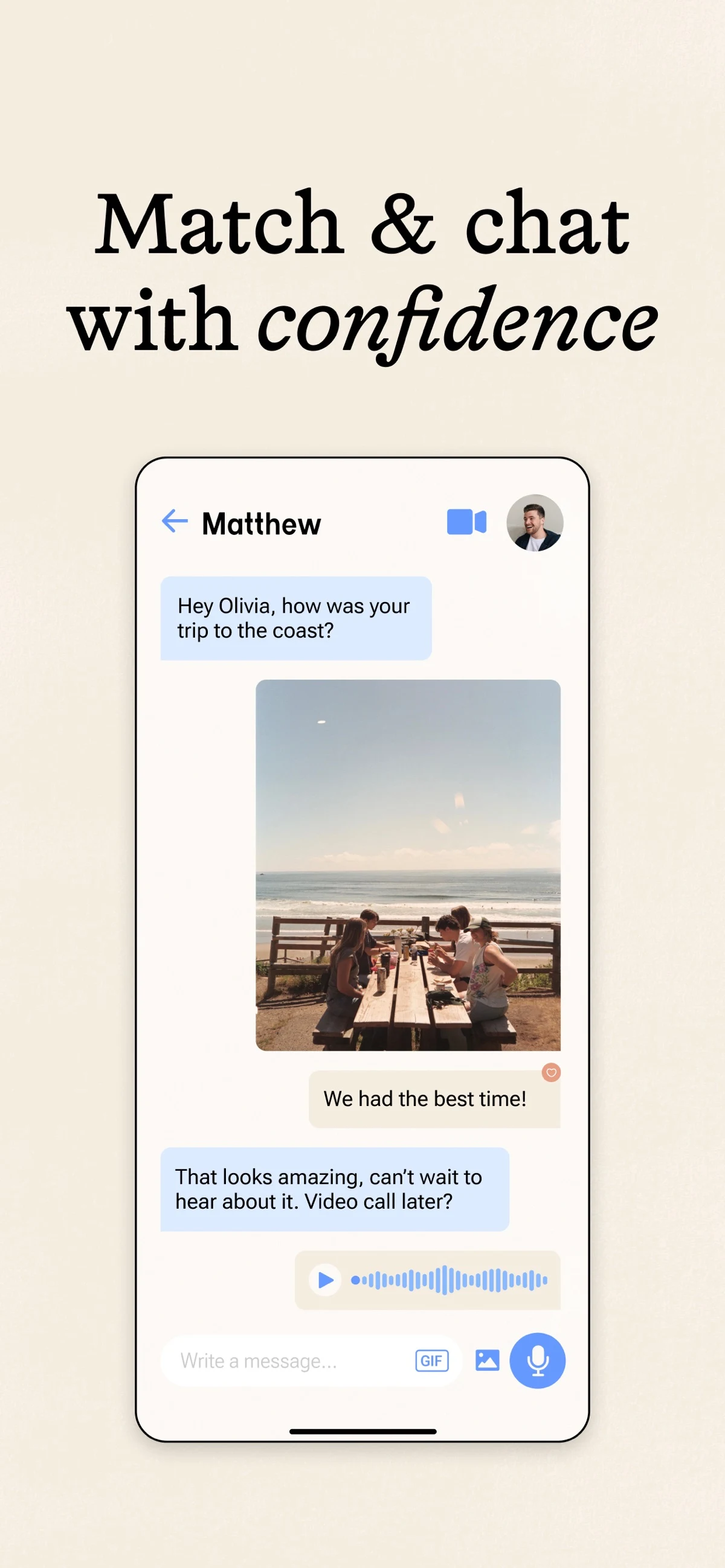
A single story is not a typical outcome; confirm actual profile and messaging features.
Open the original App Store listing ↗ · US iPhone capture, 27 October 2026.

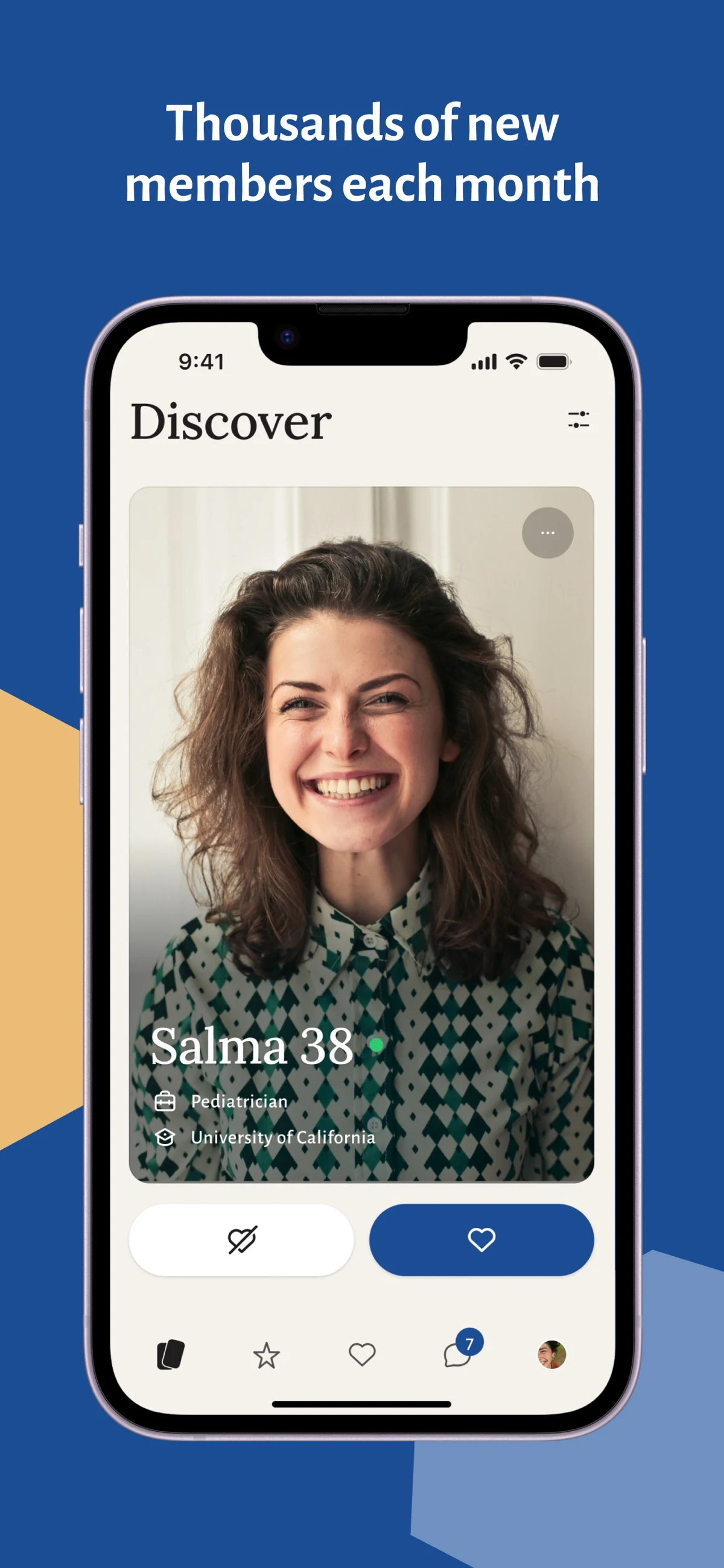
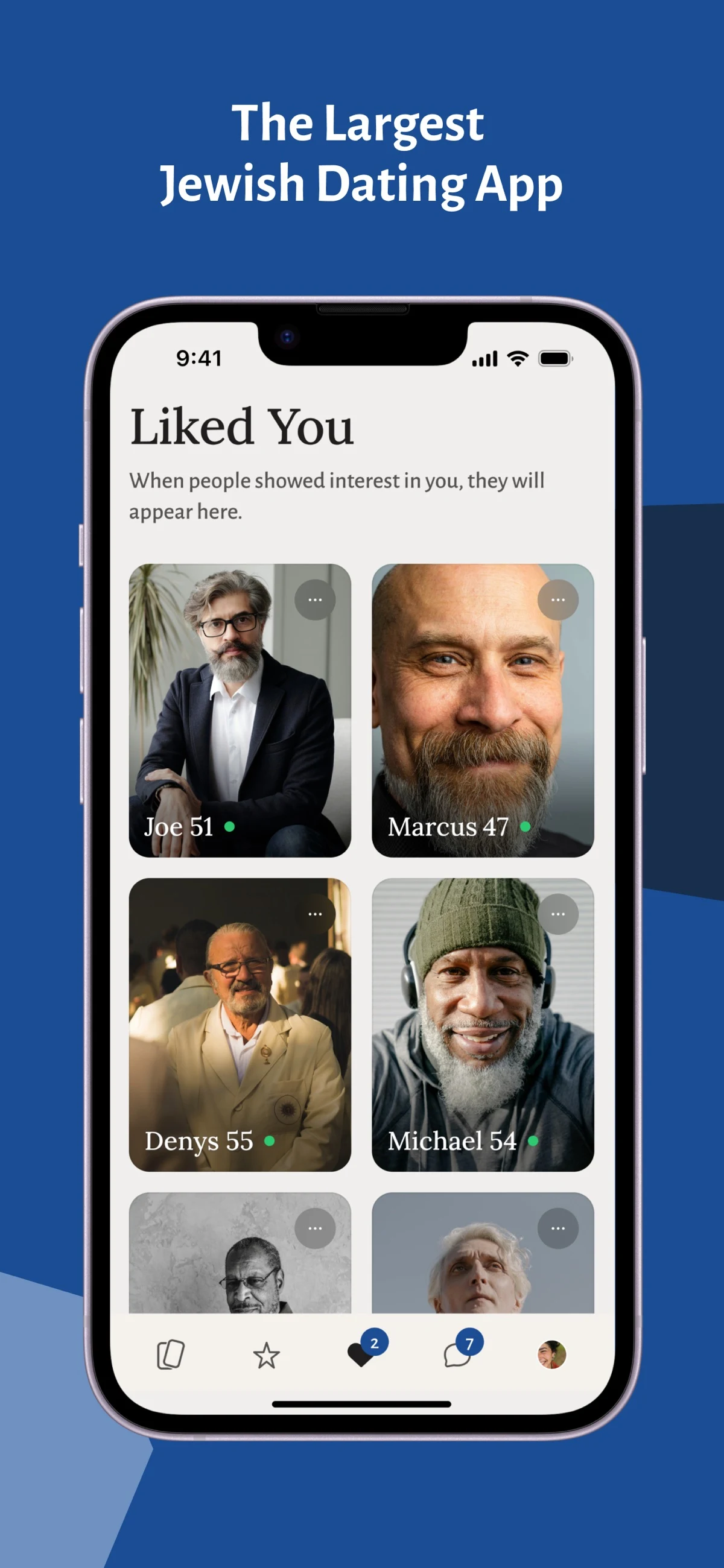
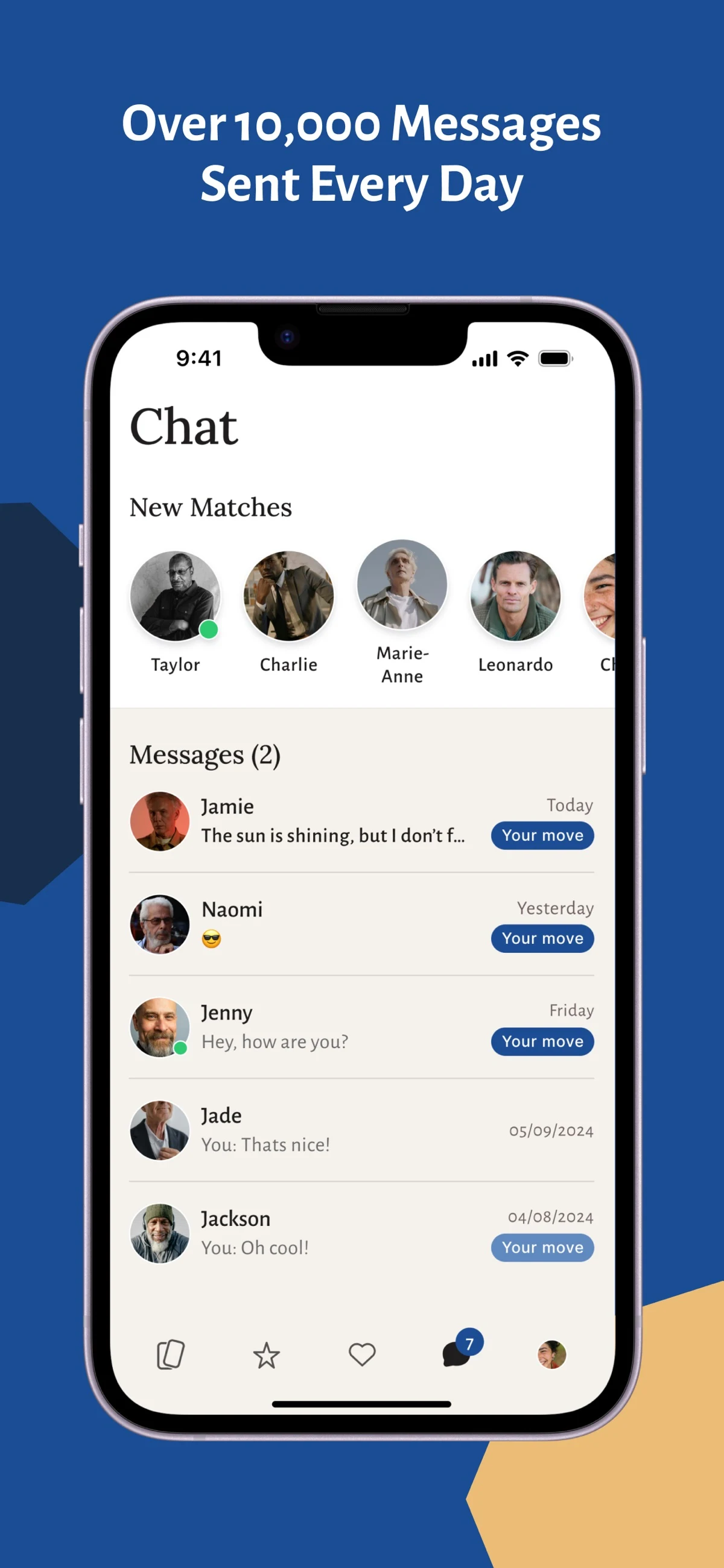
Test actual discovery and chat rules; substantiate any public counts.
Open the original App Store listing ↗ · US iPhone capture, 27 October 2026.

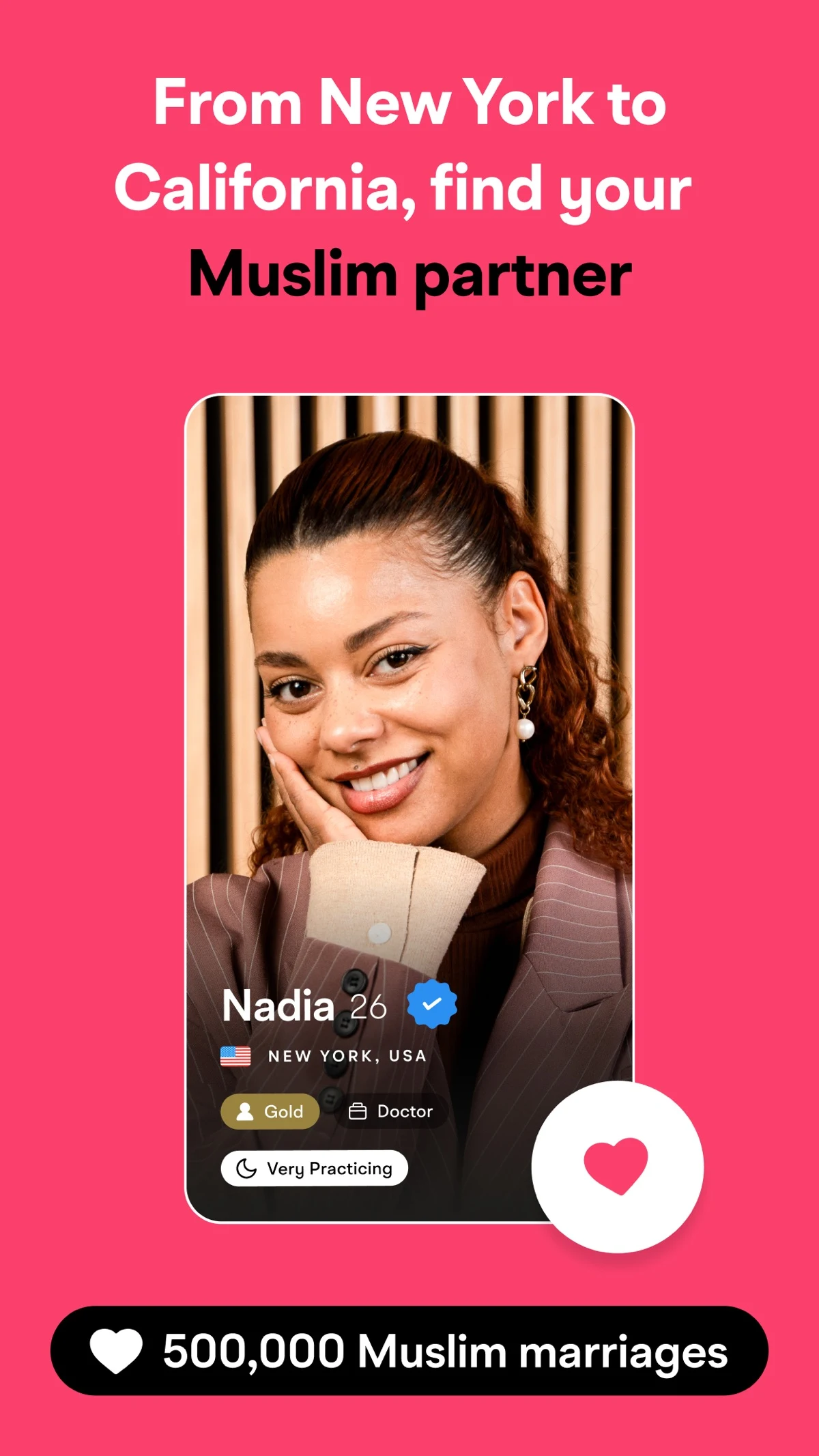
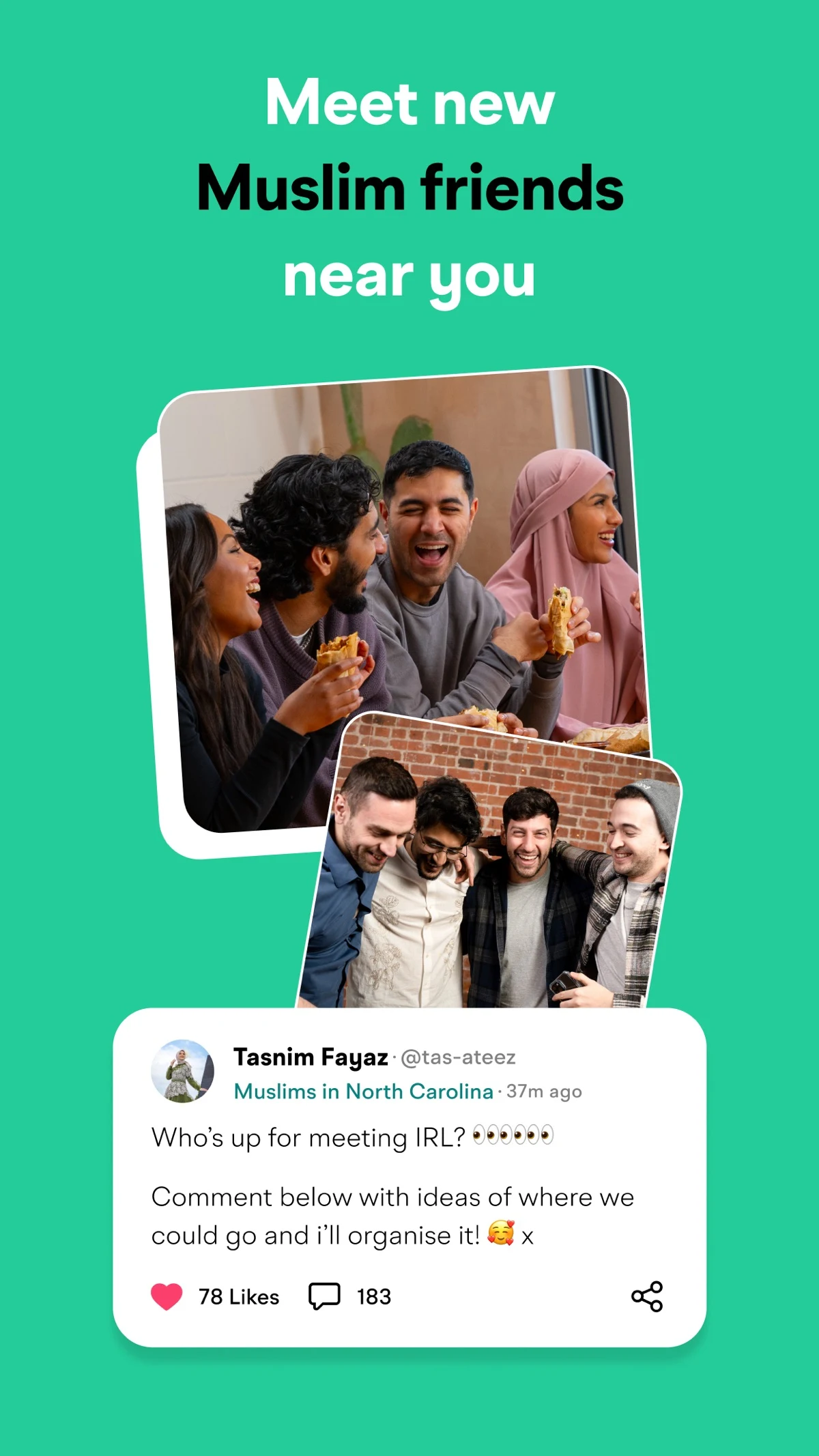
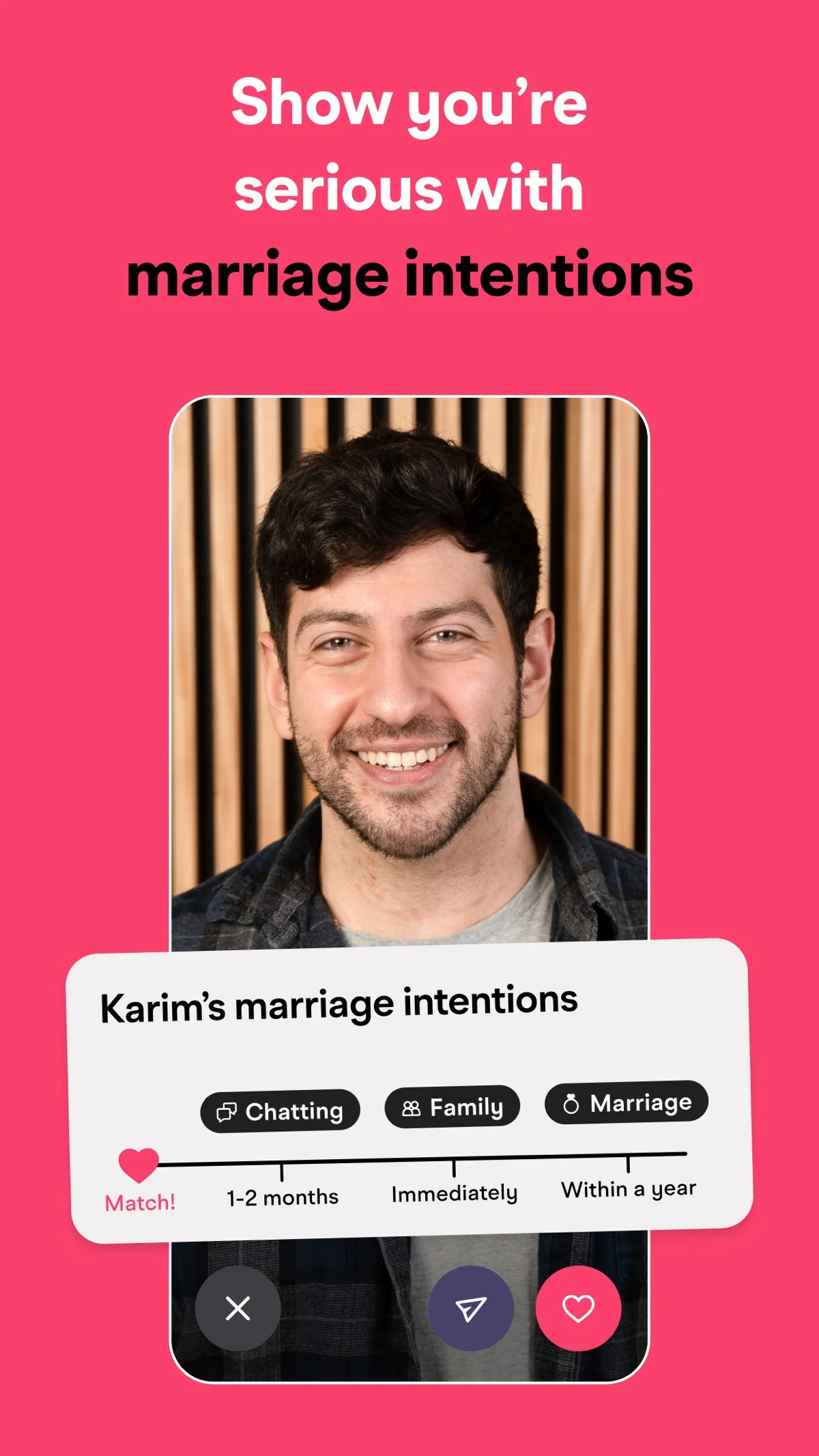
Check actual feature availability and badge scope; no relationship outcome is guaranteed.
Open the original App Store listing ↗ · US iPhone capture, 27 October 2026.

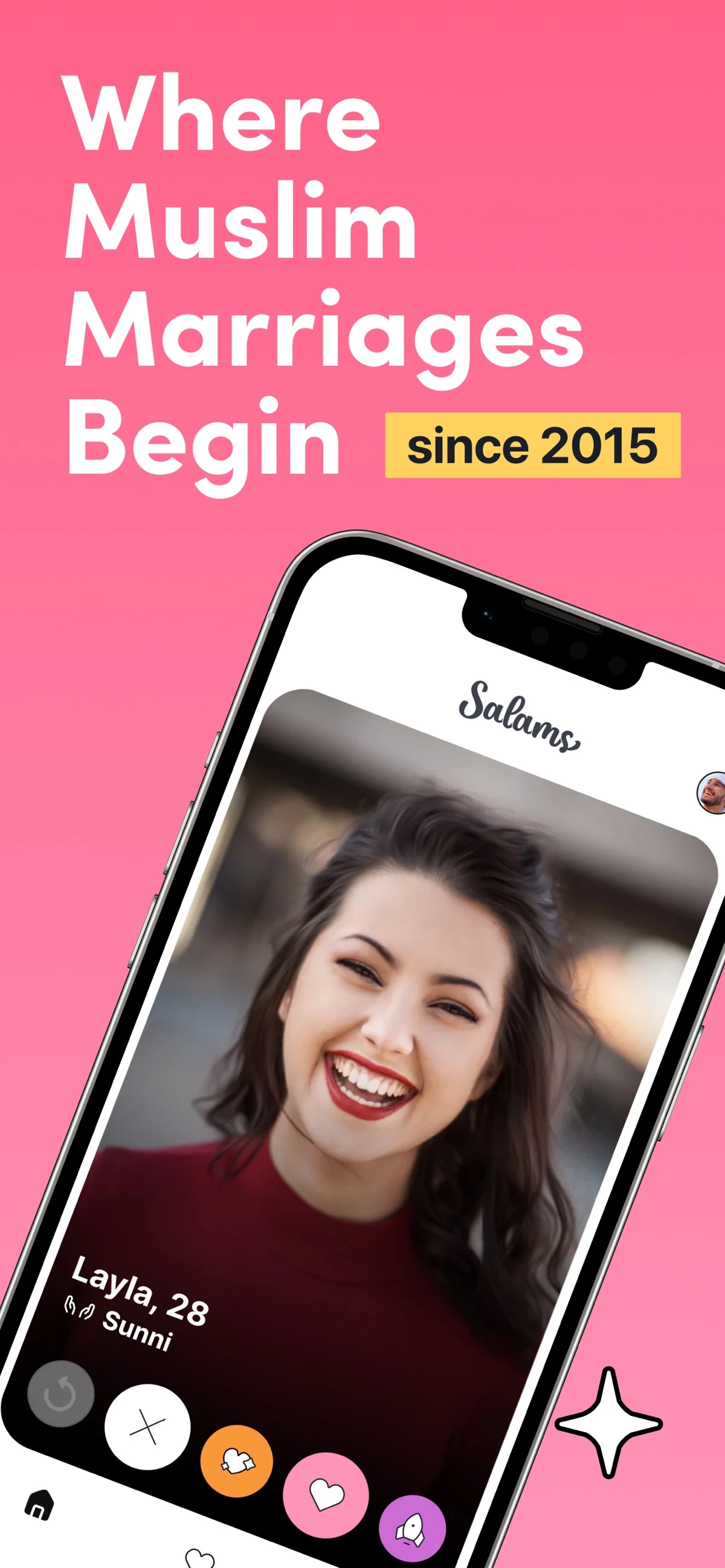
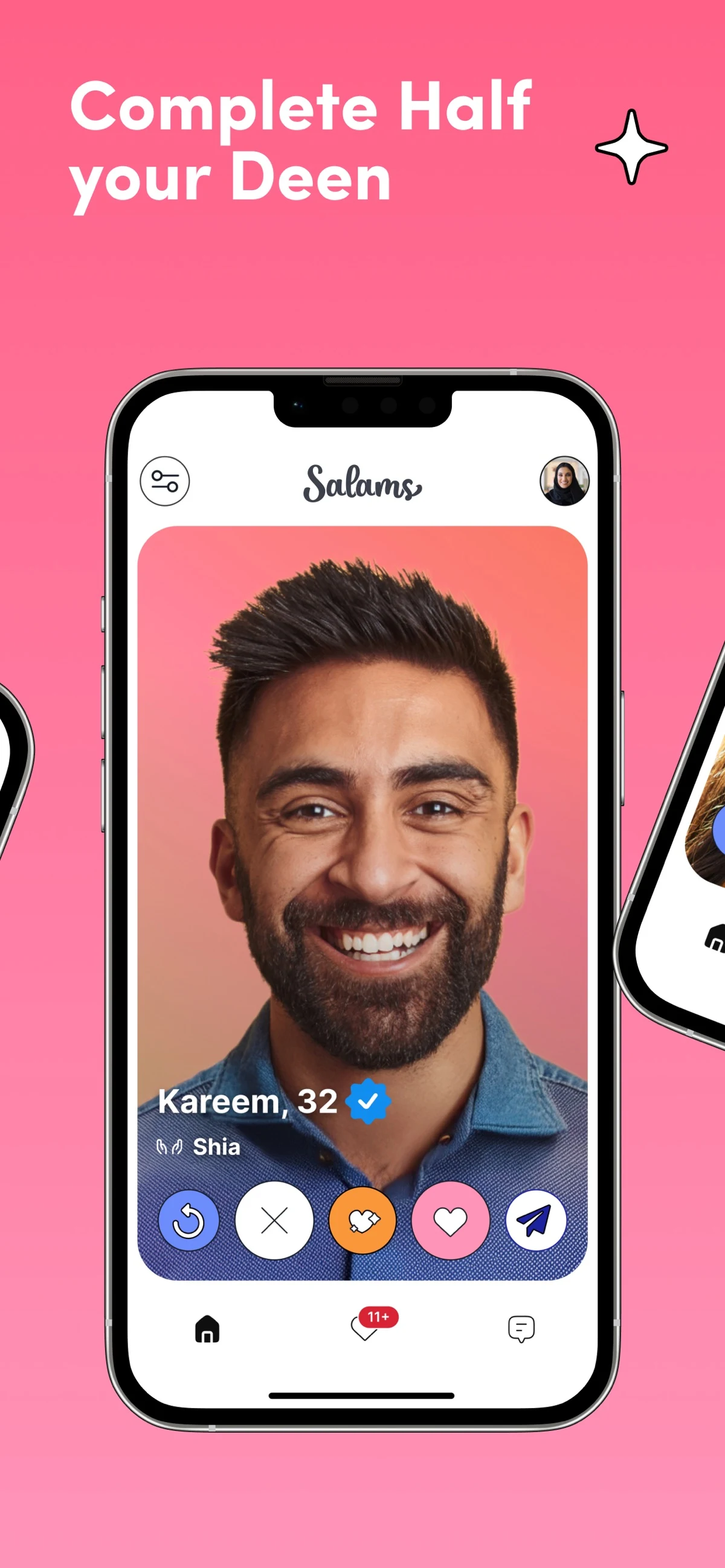
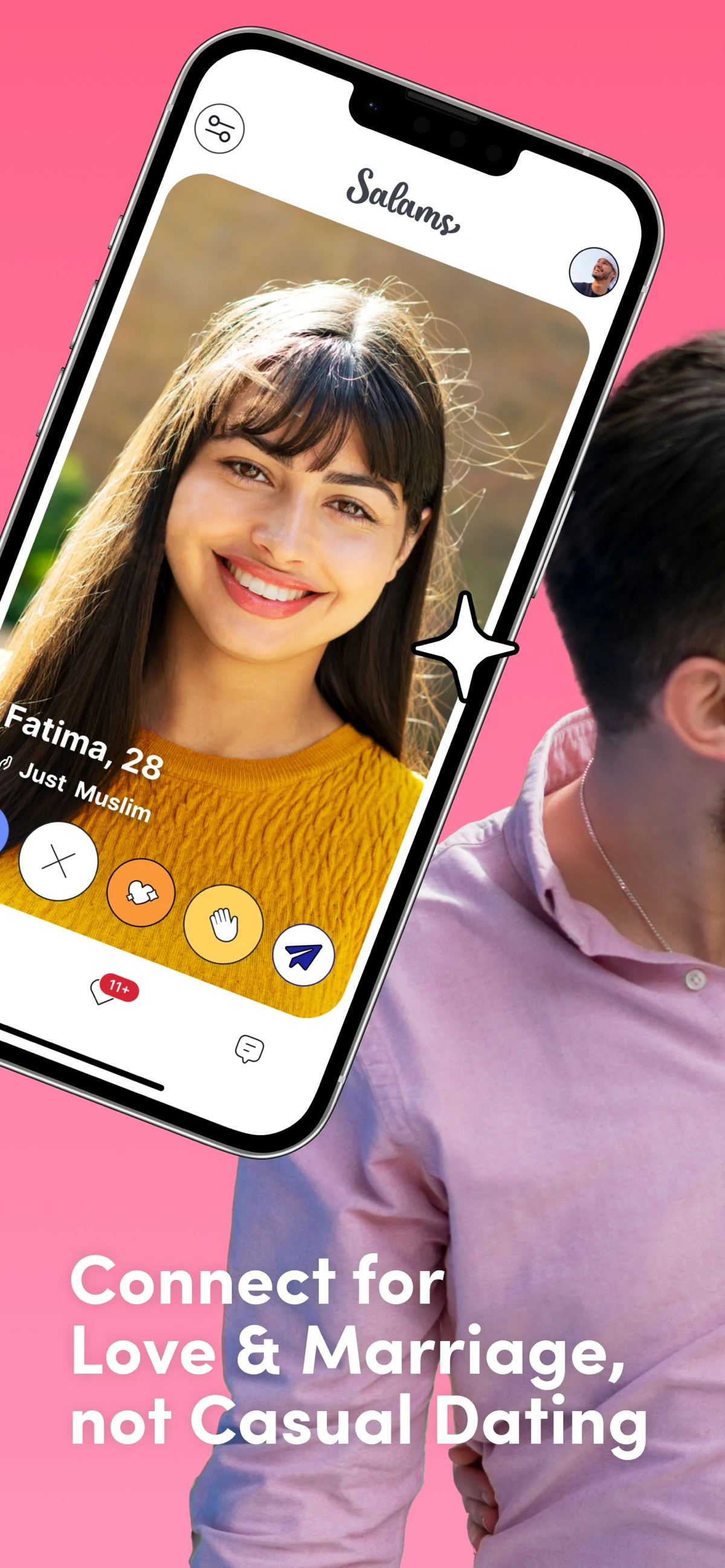
Review terminology with the community, verify badge methods, and avoid implying guaranteed marriage.
Open the original App Store listing ↗ · US iPhone capture, 27 October 2026.
These observations suggest tests, not proof of conversion effects. Use screenshot readability and sequence planning to show a supported action at store size.
FAITH-BASED DATING APP ASO
The following is a hypothetical Christian dating example called Kindred Demo, not an existing product or a statement about actual availability. Assume that it supports optional profile faith information, values prompts, profile discovery and messaging after mutual interest. Verify these assumptions against the real product before using the copy.
Example long description: “Meet people who want to share what matters. Create a profile, choose what you want to share about your faith and answer a prompt about your values. Explore profiles and start a conversation when interest is mutual. Review your privacy choices and reporting options in the app.” Any paid restrictions must be disclosed accurately.
Example screenshot sequence: 1. A community-specific headline and real first profile. 2. An optional faith field with actual visibility settings. 3. A value prompt showing personality. 4. A mutual-interest action and the real messaging condition. 5. Actual report and block tools with limitations. 6. A truthful plan comparison. Example calls to action are “Explore profiles”, “Choose what to share” and “Start a conversation after a match”, only if those actions exist. Review screenshot order and first screenshots.
Swipe horizontally to compare all columns →
| Field | Fictional example | Characters / limit |
|---|---|---|
| iOS name | Kindred: Christian Dating | 25 / 30 |
| iOS subtitle | Faith, profiles & prompts | 25 / 30 |
| iOS keyword field | singles,values,community,meet,relationship,conversation | 55 / 100 |
| Google Play title | Kindred: Christian Dating | 25 / 30 |
| Google Play short description | Explore profiles and share the values that matter to you. | 57 / 80 |
The example is fictional; verify actual features, messaging rules, plans and supported markets. Review the iOS keyword field, short description and long description.
The first screenshots should match the real product experience.
FAITH-BASED DATING APP ASO
1. Treating all religions as interchangeable: use language for the actual community, reviewed by people from it. 2. Assuming every user wants marriage: show the real options. 3. Replacing product evidence with generic romantic imagery: demonstrate the next action too. 4. Using an unverified “largest” claim: remove it or substantiate it. 5. Promising perfect matches: explain the real selection process. 6. Showing a badge without its scope: explain what is checked and its limits. 7. Treating optional religious details as public by default: check the actual setting and visibility. 8. Hiding chat behind an undisclosed paywall: clarify current access. 9. Using tiny interface labels: test at store size. 10. Assuming a US message translates directly into another market: review meaning, availability, privacy and support locally.
Check trust signals and record the change in a metadata change log.
FAITH-BASED DATING APP ASO
Start with a separate owned-brand group and category groups that describe the real app. For a Christian product, test relevant supported Christian dating phrases; do not reuse Muslim, Jewish or Catholic terms unless the product genuinely serves those audiences. Keep any optional competitor terms separate and evaluate current policy. Exact match provides a focused initial set; broad match or Search Match can help discover actual search terms. Review search terms and use negative keywords for irrelevant queries while monitoring reach.
Map a supported keyword to an eligible product page that explains the matching feature. A profile-prompt search should lead to real prompts, not a fabricated screenshot. Review current Apple Ads rules for religion-related content, placement, dating eligibility and local requirements. Keyword intent is not proof of a visitor's religious identity: use aggregated campaign metrics and do not create or export sensitive belief profiles.
Measure tap-to-install, then a clearly defined activation such as completion of a profile or first mutually permitted conversation. Compare cohorts over the same window and check plan understanding, reports and support complaints as guardrails. Illustrative arithmetic only: 100 taps, 20 installs and 5 completed profiles imply 20% tap-to-install and 25% install-to-completion; those numbers are not benchmarks or a forecast. Feed qualified search terms into a metadata research backlog, then validate relevance before making a store change. No ads are created or funded.
Read Apple’s campaign structure, match types and negative keywords. Define conversion rates, ASO metrics and acquisition measurement.
FAITH-BASED DATING APP ASO
In these five captured US iOS sets, apps combine community messages with profile, chat or lifestyle imagery. This small dated sample cannot establish a market-wide trend or conversion impact.
Test a product-led first panel against a lifestyle-led one; ask viewers what they can do next and what a badge checks. Review the original panels and treat the effect as a hypothesis.
FAITH-BASED DATING APP ASO
These are fictional AI concepts, not real profiles, live screens or tested treatments. Select an image for full size.
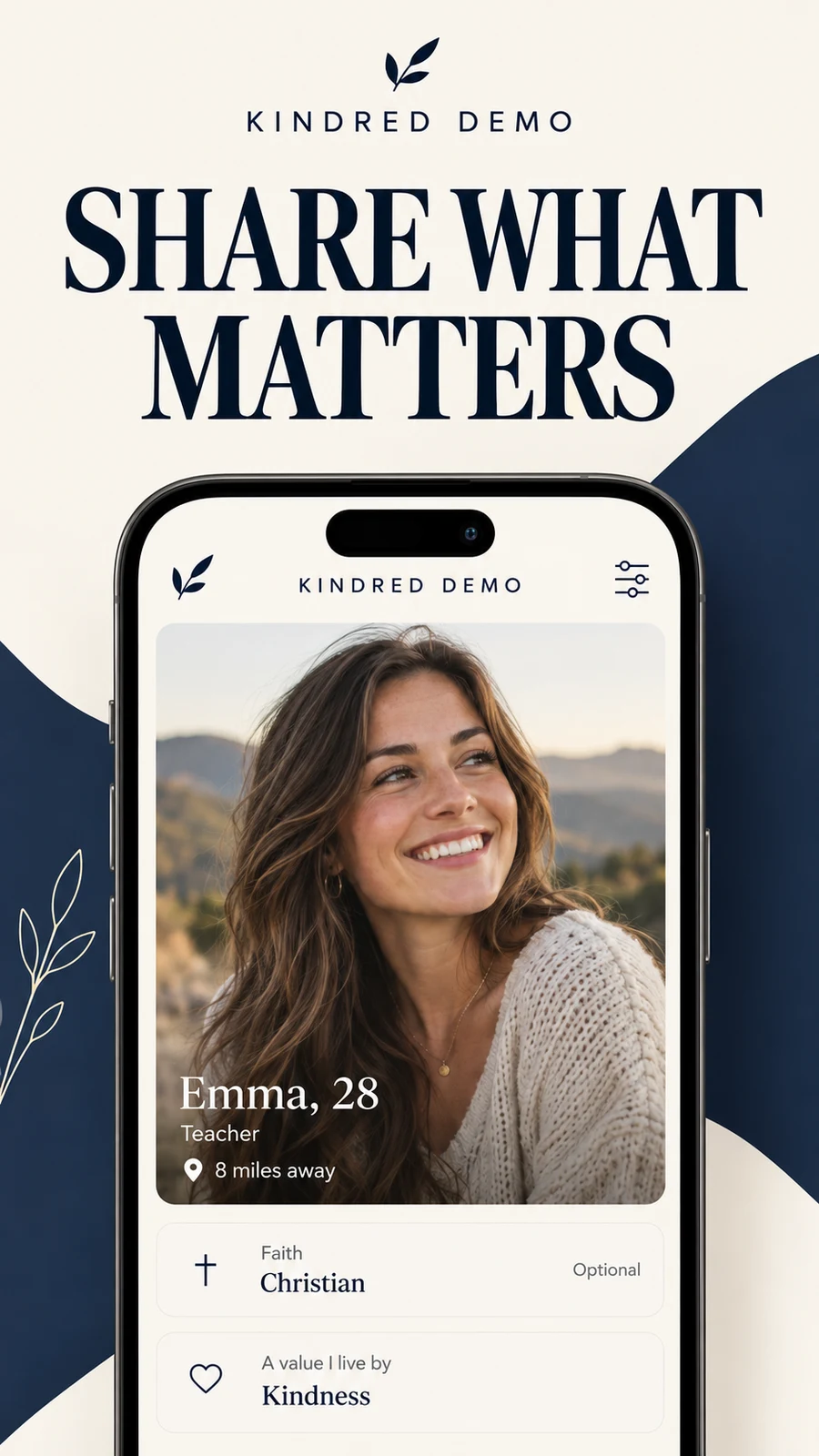
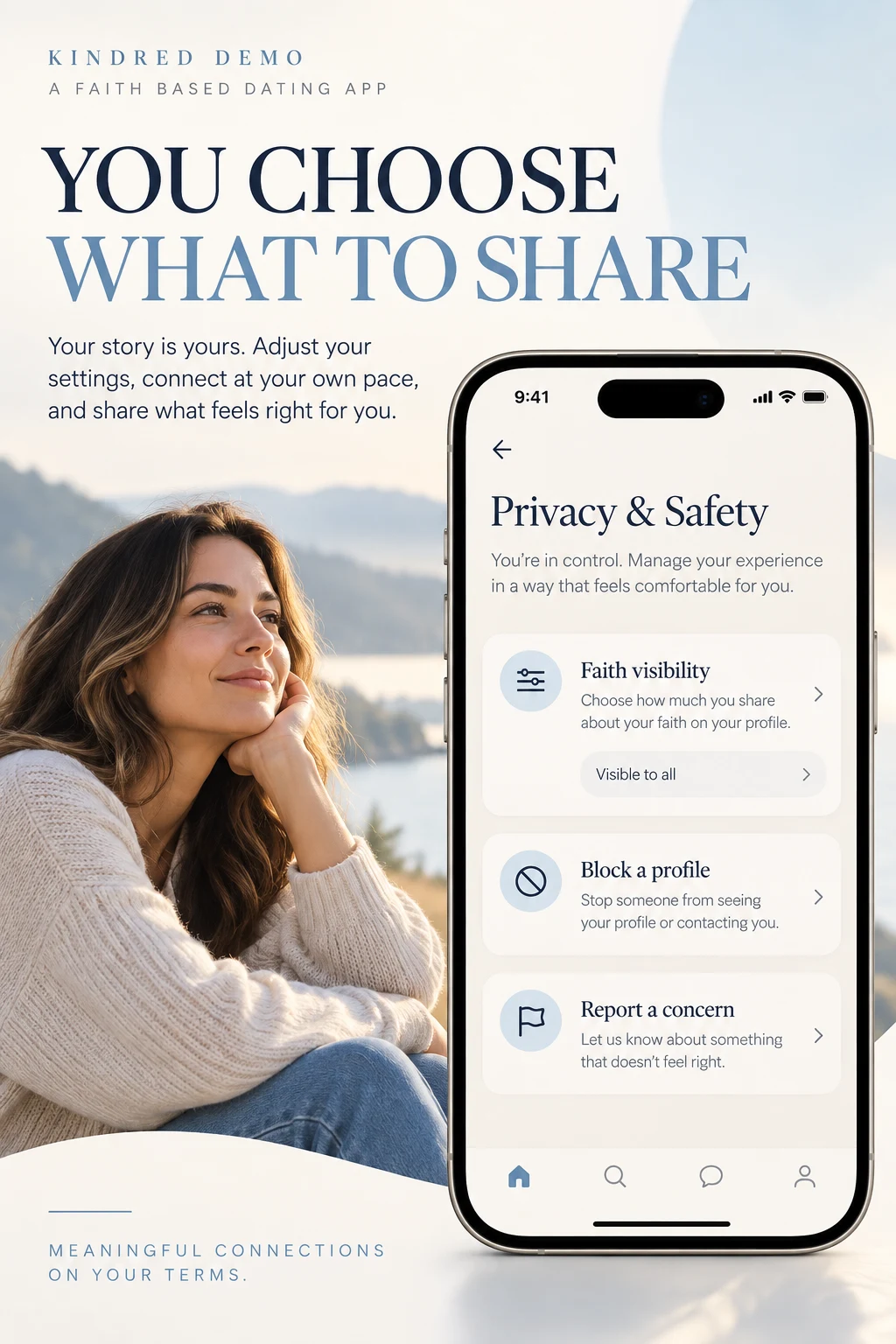
Verify the fictional faith visibility default, optionality, distance sharing, report and block scope against the actual interface. Rebuild with real approved UI. DOWNLOAD TEN WORKED TEST BRIEFS ↓
These AI concepts depict a fictional product and fictional adults; they are not real user profiles, tested treatments or evidence of app features. The first concept shows a Christian faith field and a values prompt. Verify whether the field is optional, who can see it and whether a distance indicator is accurate. The second illustrates visibility, block and report controls; verify the exact defaults and limitations. Neither concept proves users are safe.
Give a designer approved product screenshots, supported feature descriptions, a privacy specification and a brief reviewed by people from the intended community. Ask for one legible message per frame. Replace the fictional interface with real approved screens and check the copy, consent, plan access and localization. Test a product-led first frame against a values-led version with a single defined outcome. Use screenshot readability, trust signals and conversion definitions before release.
ASO tip — name the community accurately. Use a community-specific term only where the product genuinely serves that group. A clear name can be paired with a subtitle that describes a real action, such as profile prompts, instead of repeating the same phrase.
ASO strategy — connect a niche search to a real setting. If a product has optional faith fields, show that choice and who can see it. Compare a values-led opening against a product-led opening, then measure comprehension, qualified installs and activation using the same cohort window.
ASO warning — faith language is not interchangeable. A word meaningful to one tradition can be inaccurate or misleading in another. Review copy with members of the intended community and confirm any implied endorsement.
ASO warning — trust is a feature, not a promise. Show the actual verification method, moderation and privacy choices with their limitations. Do not claim guaranteed safety, universal verification or a certain relationship outcome.
ASO warning — keep paid research privacy-conscious. A search query is not proof of a person's beliefs. Check placement restrictions and local rules, avoid sensitive-personal-attribute assumptions and use aggregated measurement.
FAITH-BASED DATING APP ASO
Verify eligibility, optional faith fields, privacy defaults, location behavior, plan boundaries, reporting and accessibility before submitting. Localize support and moderation as well as creative.
Use local keyword research, screenshot adaptation, localization QA and an ASO audit.